
Seasonal Hvac Tune-Up Checklist: Keep Your System Running Smoothly
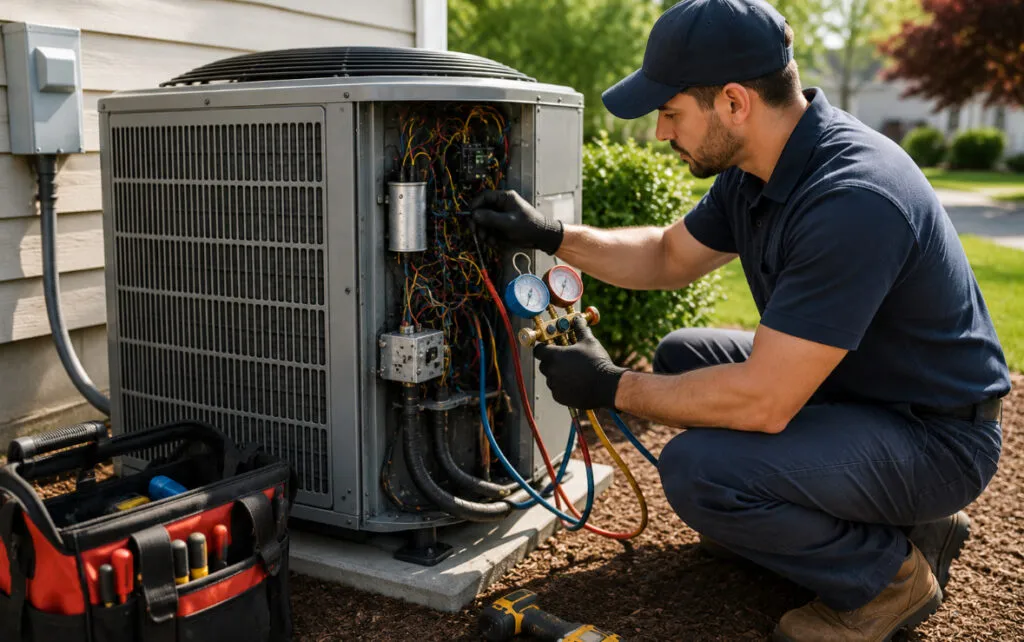
As the seasons change in Austin, Texas, your HVAC system works overtime to keep your home comfortable. But just like a car, your heating and cooling system needs regular tune-ups to perform at its best. Without routine maintenance, efficiency drops, energy bills rise, and unexpected breakdowns become more likely, leaving you sweating in the summer or shivering in the winter.
In this guide, we’ll walk you through the essential HVAC maintenance steps to keep your system in top shape all year long.
The best times for a tune-up are during the spring and fall. By staying ahead of seasonal temperature shifts, you’ll enjoy a comfortable, worry-free home year-round.
Inspect and Replace Air Filters for Improved Airflow
Your HVAC system’s air filter plays a critical role in efficiency and indoor air quality. A clogged filter forces your system to work harder, increasing energy consumption and allowing dust, allergens, and pet dander to circulate.
So, how often should you replace your air filter?
For a typical household, every 30-60 days is recommended. Monthly, if you have pets, allergies, or live in a high-dust environment. If you own a vacation home or a rarely used space, quarterly changes should suffice.
Choosing the Right Filter:
- Standard fiberglass filters (MERV 4-8): Budget-friendly but offer basic filtration.
- Pleated filters (MERV 8-13): Better at trapping allergens while maintaining good airflow.
- HEPA filters (MERV 14-16): Excellent for allergy sufferers but may restrict airflow if your system isn’t designed for them.
Clean Your Coils for Maximum Efficiency
Over time, dirt and debris build up on the evaporator and condenser coils, reducing your system’s ability to absorb and release heat. This forces your HVAC to work harder, leading to higher energy bills and potential overheating.
How to Clean Coils Safely
- Turn off the power to the unit.
- Gently remove debris using a soft brush or vacuum.
- Apply a non-abrasive coil cleaner and let it sit for 5-10 minutes.
- Rinse with low-pressure water (avoid high-pressure sprays that can damage fins).
Check and Calibrate the Thermostat for Optimal Comfort
Your thermostat controls your home’s temperature and directly impacts energy use. If it’s not functioning properly, your system may run inefficiently or struggle to maintain the desired temperature. Signs your thermostat needs attention include inconsistent temperatures, HVAC unit cycling too frequently, and inaccurate readings.
Thinking about upgrading?
A smart thermostat can automatically adjust settings based on your schedule, provide remote control via smartphone apps, and offer energy reports to help you optimize usage. Livinon Mechanical can help with expert installation and setup.
Inspect Ductwork for Leaks and Blockages
Your HVAC system relies on a network of ducts to distribute air throughout your home. Even small leaks can lead to up to 30% energy loss, reducing efficiency and causing uneven heating or cooling.
When Should You Check Ductwork?
Certain rooms never reaching the right temperature, rising energy bills, and excess dust buildup around vents are all signs that you should check your ductwork.
For major duct issues, professional sealing or replacement may be necessary.
Lubricate Moving Parts to Prevent Wear and Tear
Your HVAC system includes several moving components, like motors, fans, and belts. Over time, friction can cause them to wear out, leading to noisy operation and potential failure.
Components that require lubrication include fan motors, bearings, and blower assemblies. If you hear squeaking, grinding, or rattling noises, it’s time for an inspection. Lubricating parts properly helps reduce strain and prolongs the life of your system.
Test Electrical Connections and Components for Safety
Loose or faulty electrical connections can lead to poor performance, system failures, or even fire hazards. If your system turns off suddenly or if you notice frayed or exposed wires, you should contact a certified technician immediately.
Clear Debris Around the Outdoor Unit
Your outdoor AC unit needs adequate airflow to function efficiently. Leaves, dirt, and overgrown vegetation can restrict airflow and cause overheating. Keeping the area around your outdoor unit clean prevents unnecessary strain on your system. Some best practices include: cleaning debris at least once a month, maintaining a two-foot clearance around the unit, and checking for pests that may nest or chew on wiring.
Schedule a Professional Seasonal HVAC Tune-Up
While DIY maintenance helps, nothing replaces a professional tune-up for ensuring peak performance.
Why Choose Livinon Mechanical?
- Licensed & Insured Technicians: Expert service with safety in mind.
- Free Estimates: No hidden fees or surprise charges.
- Emergency Services: Fast response times for urgent heating or cooling issues.
During a professional tune-up, our team will inspect and clean essential components, test system performance, and provide expert recommendations to keep your system running smoothly.
The Key to Year-Round Comfort: Stay Ahead of HVAC Issues
A little maintenance goes a long way in keeping your HVAC system running efficiently and reliably.
Don’t wait until your HVAC fails on the hottest (or coldest) day of the year! Schedule your seasonal tune-up with Livinon Mechanical today. Our team is ready to provide expert service tailored to your needs.