Emergency Ac Repair: How To Know When Your Cooling System Needs Urgent Help

Emergency AC Repair: Learn key warning signs, troubleshooting tips, and when to call for urgent HVAC service from Livinon Mechanical in Austin, TX.

Emergency AC Repair: Learn key warning signs, troubleshooting tips, and when to call for urgent HVAC service from Livinon Mechanical in Austin, TX.
“Heat Pump vs. Air Conditioner – Compare pros, cons, costs & efficiency to find the best HVAC system for your home. Learn which option suits your climate & budget!”
“Improve indoor air quality this allergy season with expert HVAC tips from Livinon Mechanical. Breathe easier with cleaner, healthier air at home!”
“Is your furnace blowing cold air? Learn how to troubleshoot, fix common issues, and know when to call a professional to keep your home warm this winter.”
Discover how to detect and prevent carbon monoxide leaks with essential safety tips. Protect your home and family with detectors and proactive measures.
“Discover the best temperature settings to save money on heating and cooling year-round. Get tips, smart thermostat hacks, and seasonal strategies for comfort.”
“Upgrade to a smart thermostat and enjoy energy savings, remote control, eco-friendly features, and personalized comfort for your home year-round.”
Learn the cost to replace your HVAC system, key factors affecting pricing, budgeting tips, and how to make the best choice for your home’s comfort and efficiency.
As cooler weather rolls in, there’s nothing better than flipping the switch on your heater and feeling that first wave of warmth fill your home. But if you’re greeted by an unpleasant burning smell instead of comfort, it can be unsettling. Is it something serious? Is your heater about to break down? Or is it just a harmless quirk of your HVAC system?
The good news is that a burning smell isn’t always a reason to panic. In most cases, it’s a normal occurrence. However, knowing the difference between a harmless issue and one that requires immediate action is crucial for your safety and peace of mind.
Let’s dive into the most common causes, what to do when you notice the smell, and how to prevent it in the future.
A burning smell from your heater can be caused by a variety of factors. While some are completely normal (and temporary), others might indicate underlying issues that need attention. Here’s what might be behind that odor:
This is the most common reason for a burning smell when turning on your heater for the first time in months. Dust settles on the heating elements, burners, or heat exchanger during periods of inactivity. When you switch on the system, the dust burns off, creating a noticeable odor.
What to Do:
Don’t worry—this is harmless and should dissipate within a few hours. If the smell lingers beyond that, consider checking your air filters or scheduling a system inspection.
If the burning smell has a sharp, plastic-like odor, it could indicate an electrical issue, such as:
Why It’s Serious:
Electrical issues can lead to system failures or, in extreme cases, a fire.
What to Do:
Turn off your system immediately and contact an HVAC technician. Do not attempt to troubleshoot electrical components yourself unless you are trained.
Read more: Appliance and Electrical Fire Safety – U.S. Fire Administration
Over time, debris such as pet hair, lint, or even small objects can accumulate in your heating system. If these materials come into contact with heating elements or burners, they can burn and create an unpleasant smell.
What to Do:
Check your vents and surrounding areas for visible debris, but avoid opening the system unless you know how to do so safely. A professional cleaning may be necessary.
As your system ages, parts like belts, motors, and bearings can wear out or overheat, emitting a burning smell. This is more common in older furnaces and may signal the need for repairs or even a replacement.
What to Do:
If your system is over 10-15 years old and the smell persists, schedule an inspection. Regular maintenance can extend your system’s lifespan and prevent costly breakdowns.
Dirty air filters restrict airflow, causing the system to overwork and potentially overheat. This can lead to a burning smell as components struggle to operate efficiently.
What to Do:
Replace your filters every 1-3 months. If you have pets, allergies, or live in a dusty area, you may need to replace them more frequently.
If you use an oil or gas furnace, a burning smell might result from fuel combustion. However, if the smell is strong, it could indicate a leak or incomplete combustion—both serious safety concerns.
What to Do:
If you smell gas or oil, turn off your furnace, leave the house, and contact a professional immediately.
A burning smell doesn’t always mean danger, but it’s important to recognize the warning signs of a serious problem. Here are scenarios where you should take action immediately:
If you experience any of these, turn off your heating system and call an HVAC technician.
If you notice a burning smell, follow these steps to identify and address the issue safely:
Shut down the system immediately to prevent potential hazards.
Inspect the area around your heater for debris, dust, or signs of overheating. Avoid touching electrical components.
A dirty air filter is an easy fix. Replace it and see if the smell dissipates.
Open windows and doors to let fresh air in and odors out.
If the problem persists or you notice warning signs, contact a certified HVAC technician to inspect and repair your system.
Preventive care is the best way to avoid unwanted odors and costly repairs. Here’s how to keep your system in great shape:
Your heater isn’t always to blame. Other common household issues can also cause a burning smell:
Investigate these possibilities if the smell isn’t connected to your heating system.
A burning smell when you turn on your heat doesn’t have to ruin your winter vibes. Whether it’s dust burning off or a more serious issue like overheating components, knowing how to respond is key to staying safe and comfortable.
By maintaining your system and addressing potential problems early, you’ll enjoy a warm, worry-free home all season long.
Don’t let a burning smell ruin your comfort or peace of mind this winter. Schedule a professional HVAC inspection today to ensure your system is safe, efficient, and ready to keep you cozy all season long!
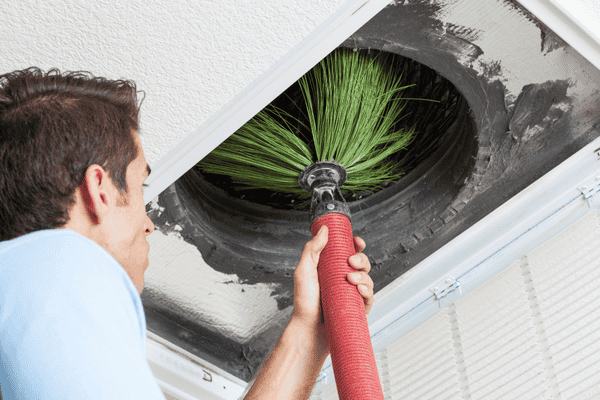
Dusting your home is one thing, but if your ducts are dusty, it’s like vacuuming while someone tosses confetti in the air. Dirty ductwork not only affects the air you breathe but also your wallet. At Livinon Mechanical, we believe cleaner ducts mean healthier living and lower energy bills. Let’s explore how professional ductwork cleaning can transform your home’s air quality and energy efficiency—and why it’s worth every penny.
Ductwork cleaning involves removing dust, debris, and other buildup from your home’s air ducts. Over time, contaminants like pet hair, pollen, and even mold can accumulate, restricting airflow and compromising your HVAC system’s performance.
Think of your ducts as the arteries of your home’s air circulation system. When they’re clogged, your HVAC system has to work harder to push air through, leading to higher energy bills and inconsistent temperatures. Regular cleaning keeps your system running smoothly and your indoor air fresh.
Have you noticed extra dust settling on your furniture? Or maybe you or your family members are sneezing more than usual. Dirty ducts can circulate allergens, dust, and even bacteria throughout your home, aggravating allergies and respiratory issues.
For families with pets or young children, clean air isn’t a luxury—it’s essential. After a professional duct cleaning, many of our clients tell us their homes feel fresher, and they notice fewer allergy symptoms. It’s like hitting the reset button on your home’s air quality.
Did you know that clogged ducts can reduce your HVAC system’s efficiency by up to 25%? When air can’t flow freely, your system has to work overtime to maintain comfortable temperatures. This not only drives up your energy bills but also wears out your system faster.
After a thorough duct cleaning, your HVAC system will operate more efficiently, which means you’ll see immediate savings on your energy bills. Plus, you’ll be reducing the strain on your system, potentially extending its lifespan. Who doesn’t love saving money while staying comfortable?
Read more about heating and cooling efficiency here.
How do you know if your ducts need attention? Here are some telltale signs:
Don’t wait until the problem gets worse. Addressing these issues early can save you time, money, and a lot of sneezing.
When you call in the pros, you can expect a thorough and efficient process. Here’s what typically happens:
The process is quick, safe, and minimally disruptive, leaving your home cleaner and more comfortable. We recommend scheduling duct cleaning every 3-5 years or sooner if you have pets or allergies.
While DIY duct cleaning might seem tempting, it’s rarely effective. Household vacuums and brushes can’t reach deep into your ducts or remove stubborn debris. Worse, improper cleaning can damage your ducts, leading to costly repairs.
Professional duct cleaners use high-powered tools and have the expertise to do the job right. At Livinon Mechanical, we guarantee a thorough cleaning that improves your air quality and system efficiency without the risk of DIY mishaps.
Your HVAC system is a significant investment, and clean ducts help protect it. When airflow is unrestricted, your system doesn’t have to work as hard, reducing wear and tear on components like the blower and coils.
Pairing duct cleaning with regular HVAC tune-ups ensures your system runs efficiently and lasts longer. Think of it as routine maintenance for your home’s comfort system—it’s worth it in the long run.
Cleaner ducts don’t just mean cleaner air—they mean lower energy bills, a more efficient HVAC system, and a healthier home environment. At Livinon Mechanical, we’re here to help you breathe easier and save money with professional ductwork cleaning services.
Don’t let dust and debris take over your home. Contact us today to schedule your duct cleaning and enjoy the benefits of fresh air and improved efficiency.
Ready to transform your home’s air quality and cut energy costs? Call Livinon Mechanical now and let’s get started on a cleaner, healthier home!