
Keep Indoor Air Clean During Home Remodeling with HVAC
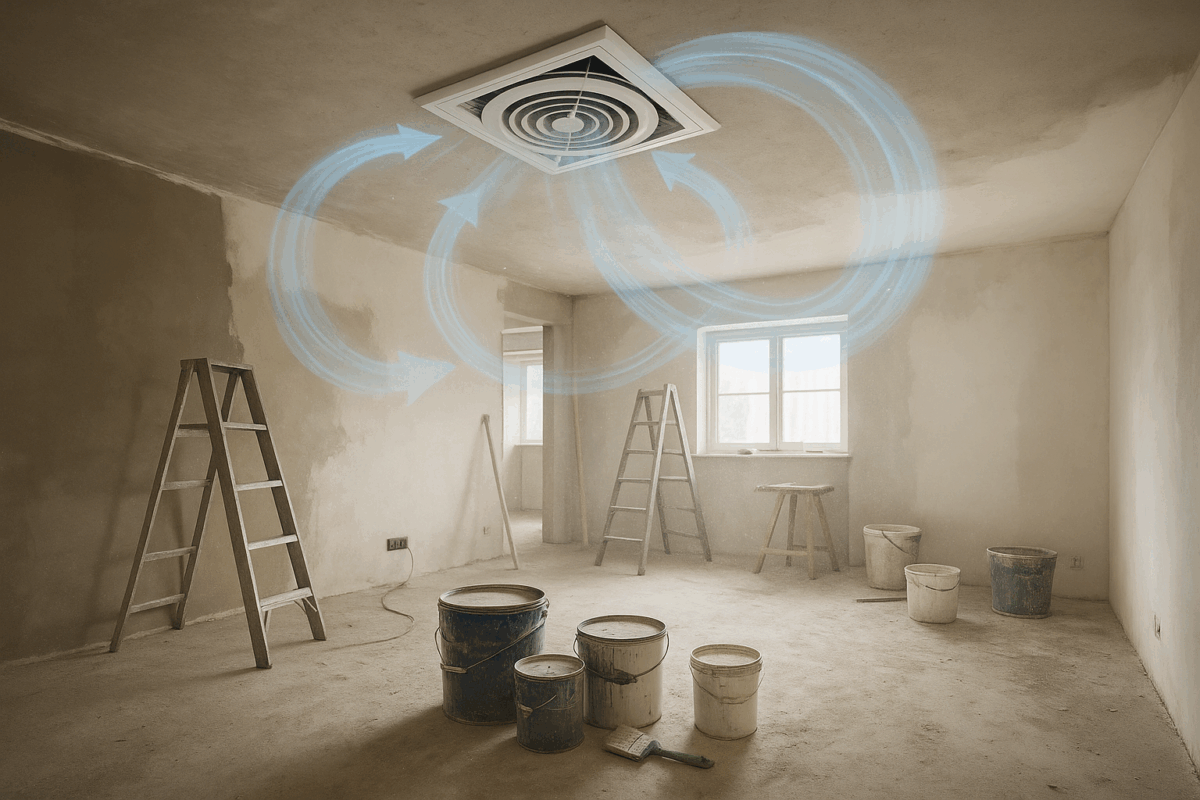
Home remodeling breathes fresh energy into a space. New flooring, kitchen makeovers, and updated paint bring comfort and satisfaction. These projects also disturb the balance of indoor air. Dust, chemical fumes, and other pollutants accumulate quickly. Many homeowners overlook these invisible dangers. The comfort of a renewed room can quickly lose its appeal if the air becomes irritating or even harmful. The HVAC system stands as a powerful tool to protect and improve indoor air during and after upgrades. Invest time and focus on how your equipment can help you achieve a clean, healthy atmosphere during every phase of remodeling.
How Remodeling Projects Compromise Indoor Air
Every home project, from installing new cabinets to a bathroom retile, disturbs the balance of indoor air. Activities like sawing wood, demolishing walls, and stripping floors throw massive amounts of dust into every corner. Even the most careful contractor cannot stop airborne particles from traveling far beyond the active workspace. In older homes, these disruptions carry hidden risks such as lead dust or asbestos, hazards that often remain undetected without proper testing.
Beyond physical debris, fresh materials introduce volatile organic compounds, or VOCs. Paint, adhesives, varnishes, and manufactured wood products all release chemical fumes when new. While the scent of fresh paint signals exciting progress, it also introduces substances that cause immediate symptoms ranging from mild headaches to throat irritation. These gases present a unique threat because they lack a persistent odor as they disperse, yet they can continue to off-gas from synthetic carpets and flooring for weeks or months.
The consequences of these remodeling pollutants mount gradually but steadily. Fine dust from sanding drywall or cutting tile settles deep inside HVAC ducts, allowing the system to redistribute the debris throughout your living spaces long after the tools are packed away. This constant recirculation causes ongoing eye and respiratory irritation, complicating existing breathing conditions like asthma. Meanwhile, unchecked moisture from curing plaster or new plumbing changes creates breeding grounds for mold. Gypsum wallboard and subfloors are highly vulnerable, and the resulting mold spores present serious health risks for children, seniors, and sensitive individuals. Recognizing how quickly your air quality changes is the first step toward guarding your family against these hidden environmental risks.
Containing Dust and Pollutants During Repairs
The first goal during remodeling is to stop contaminants from spreading. This is easier said than done, since tiny particles move quickly and settle slowly. Construction teams often use plastic sheeting or similar barriers to separate one room from another. Polyethylene sheeting, six mils thick or more, is a popular and strong material. Temporary walls or zipper doors also block passage between rooms so contaminants stay near their source.
It is not enough to close a door and hope for the best. Air moves through vents, under thresholds, and along gaps in flooring. Cover each HVAC vent opening in active work areas using plastic or magnetic vent shields. Tape the edges thoroughly so nothing seeps through. Turn off any fans or recirculation settings on your system while work is ongoing. By closing returns and supplies, you prevent dust from reaching ductwork that can later spread debris throughout your home.
For larger projects, consider negative pneganegative-pressuretive-pressureessure setups. This involves placing an exhaust fan in a window or doorway, blowing air out of the work zone, so airborne particles move outdoors rather than toward the rest of your house. Job sites with this system notice dramatically less residue coating surfaces adjacent to the workspace.
Effective HVAC Ventilation Strategies for Remodels
Ventilation supports indoor air by removing dirty air and replacing it with fresh air. During remodeling, pay extra attention to how your system moves air. If your HVAC setup includes a fresh air intake, keep it running to bring outdoor air inside. This method rapidly reduces VOC concentration and prevents dust from lingering.
Open windows, when possible and safe, even for a few hours. Cross-ventilation, achieved by opening two windows on opposite sides of your home, disperses contaminants much faster than a single-source fan. Use exhaust fans in bathrooms and kitchens to push fumes and particles outside. These tools remove ultra-fine particles that escape normal household filters.
Your system may allow for high or low speed circulation. Set blowers to higher speeds to pull air through filters more frequently during and after the project. If you have zoned climate control, turn off heating or cooling in the part of your home undergoing work. This isolates air movement and keeps the rest of the house safe.
Professional HVAC experts help tailor these settings for your space, preventing both over-ventilation, which can waste energy, and under-ventilation, which leaves pollution behind. A well-tuned system shields your air at all times, even when windows cannot remain open due to extreme temperatures or high pollen counts outside.
The Best Filters for Remodeling Dust and Chemicals
Filter selection changes the outcome of every renovation. Standard filters in many homes focus on protecting the HVAC equipment. These basic options trap large particles but miss smaller dust and nearly all VOCs. Consider upgrading to a filter rated MERV 11 or MERV 13 during and after your project. MERV, or Minimum Efficiency Reporting Value, measures how well a filter traps tiny contaminants. Higher numbers remove smaller particles, including much of the airborne matter produced by construction or strong-smelling paints.
Many high-efficiency filters are compatible with modern HVAC systems, but always verify before installation. Some systems cannot handle the extra airflow resistance, so a professional check is wise. Use specialized filters like activated carbon for maximum reduction of chemical fumes. These products are designed to trap odors and gases that slip past paper or fiberglass filters. Change filters frequently, sometimes twice as often during active construction or painting seasons, since they can become saturated and lose effectiveness quickly.
If you use portable air purifiers, select units with both HEPA and charcoal filtering. HEPA handles dust, mold spores, and pollen. Charcoal attacks gases, delivering noticeable relief from VOC-related discomfort. Position purifiers near high-traffic areas or wherever family members spend the most time. Continue use for several weeks post-project, as residual particles and fumes will still linger in lesser-ventilated spots.
Regular HVAC Maintenance Protects Air Quality
No matter how technology advances, dust eventually finds its way into equipment. HVAC maintenance is the unsung hero after every renovation. Schedule a deep system cleaning with us at Livinon Mechanical at the conclusion of your remodel or major repair. Ducts, grilles, and coils collect particles freed during demolition or sanding. Even the best job sites generate dust that passes through filters and settles inside machinery. Without occasional removal, these particles escape when the system restarts, contaminating your newly refreshed living space.
Pay attention to your system’s performance after a project. Listen for new noises, feel for weak airflow, and sniff for musty or chemical smells. These clues point to lingering contamination or moisture issues. Regular inspections spot developing problems well before they harm your equipment or health. During each visit, technicians measure air quality, check filter condition, inspect for hidden leaks, and tune your settings for peak air protection. Cleaning evaporator coils and drain pans also lowers the risk of mold, especially after wet work like tile cutting or pipe replacements.
Routine filter changes provide a reliable first defense. Make them part of your monthly or bimonthly cleaning schedule until air has returned to its pre-renovation state. Keep spare filters on hand throughout remodeling season, so you never wait to replace a clogged or dirty unit.
Controlling Humidity After Remodels Stops Mold
Remodeling projects almost always involve water and moisture. Plaster and mortar need curing. Paint takes time to fully dry. New appliances can leak during installation. Humid air lingers after tile installations or during plumbing changes. Mold grows rapidly under these conditions and becomes a constant threat to clean indoor air.
Effective humidity management protects both new finishes and your health. Keep your space between forty and sixty percent relative humidity. Most modern HVAC systems manage this with built-in humidifiers or dehumidifiers. If your equipment does not include this feature, use standalone machines in the wettest rooms. Set your target, and let the thermostat oversee the process day and night. If you live in a damp climate or have a basement remodel, consider additional water sensors and smart controls to alert you to leaks or sustained high humidity.
Watch for signs like musty odors, visible spots on ceilings or walls, or a persistent sticky feeling. Fixing issues early prevents the spread of hidden mold colonies and protects investments in fresh paint, flooring, or cabinetry. Work with HVAC experts for an inspection if signs emerge, since mold often hides inside ducts or under wet insulation.
Why HVAC Professional Help Matters
Homeowners handle many aspects of air protection, but professionals like Livinon Mechanical bring depth and experience. A post-remodel inspection covers far more than a cursory check of vent grilles. Licensed technicians measure airflow, check temperature and humidity patterns, and analyze filtration needs specific to your newly renovated space. They spot shortcuts that might leave your system vulnerable, such as unsealed duct penetrations or missing insulation after moving walls or changing layouts.
Professional duct cleaning extracts stubborn dust and debris left over from heavy demolition. Technicians use specialized brushes and vacuums to reach interior surfaces, restoring optimal flow. They also inspect for microbial growth, helping prevent the onset of mold and mildew in hidden locations. At Livinon Mechanical, technicians provide tailored recommendations for air purifiers, filter upgrades, or even complete equipment replacement if your old setup shows excessive age or struggle after a big project.
Emergency support delivers peace of mind if your system fails while sensitive family members or pets remain at home. Rapid fixes reduce time spent in polluted air and avoid minor issues becoming larger expenses. Visit Livinon Mechanical to schedule a service or review options for continuous home monitoring.
Better Air Quality Creates True Remodeling Success
Home improvement delivers satisfaction and value when the air indoors remains fresh and pleasant. Protecting air with effective containment, advanced filtration, and smart ventilation strategies creates a healthy environment. Upgrade your system as needed to manage unique contaminants from paints, adhesives, and dusty demolition. Focus on ongoing maintenance with timely filter changes and professional cleaning for lasting results. Professional HVAC support from trusted providers like Livinon Mechanical strengthens the results of your labor. Value comfort and long-term health just as much as style and craftsmanship in every remodel project.