Pet Friendly HVAC Tips for a Healthier Home
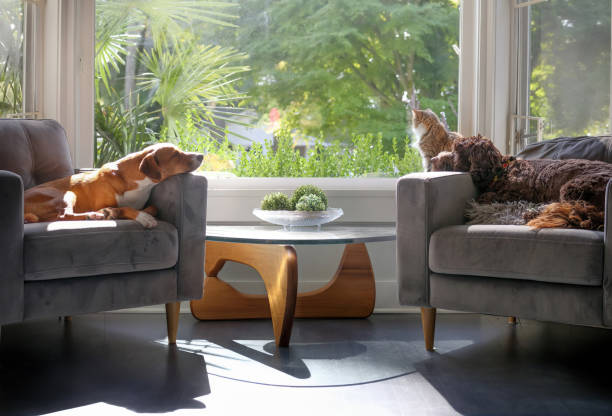
Our pets bring so much joy into our lives, but they also introduce unique challenges in the home, especially regarding indoor air quality and HVAC system maintenance. The extra debris pets naturally produce, such as hair and dander, doesn’t just collect on floors and furniture. These airborne particles float toward intake vents and settle deep within your ductwork, which can clog filters, restrict airflow, force the system to work harder, and ultimately reduce its overall operational longevity.
Beyond physical debris, fur, natural oils, and litter boxes also contribute to lingering odors that your HVAC system can easily recirculate throughout the house. A pet’s presence can even elevate indoor humidity levels through simple breathing and open water bowls, creating an environment that invites mold growth within filters and ducts. Recognizing these underlying effects is the first step toward establishing a healthier, pet-friendly home where everyone can breathe a little easier.
Regular Air Filter Changes for Pet Owners
Air filters serve as the first line of defense against airborne contaminants. When you share your home with animals, these filters fill up faster due to extra hair and pet dander. Most manufacturers suggest changing standard filters every three months, but with pets, this routine is not enough.
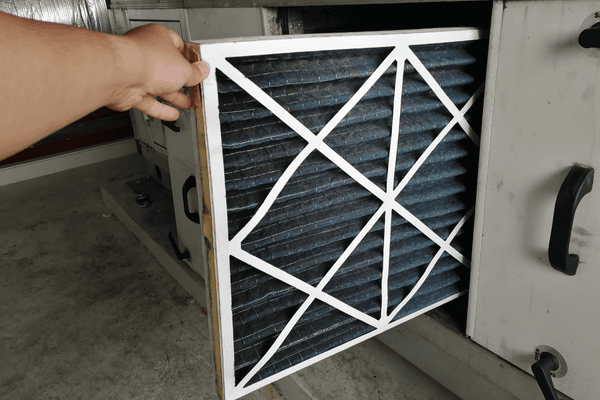
Visually inspect filters each month. If you notice discoloration, visible hair, or a thinner airflow, replace it immediately. Routine checks are the only way to prevent blockages that force the HVAC blower to overwork. Systems working under strain consume more energy and break down more frequently.
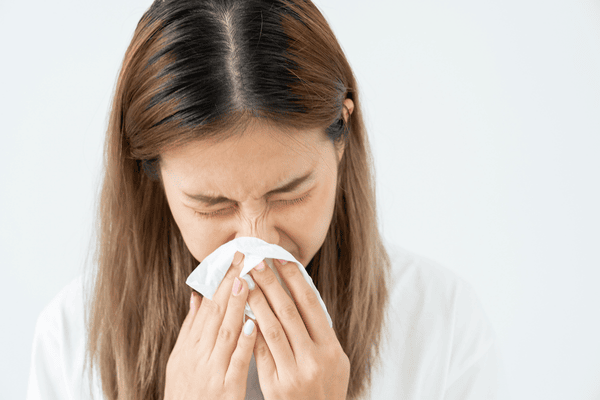
For better air quality and system lifespan, consider using pet-friendly air filters. Look for filters labeled with a MERV rating between 10 and 13. These catch much smaller particles than standard filters without unduly restricting airflow. HEPA filters also perform well if your HVAC unit supports them, but consult your system’s manual before making the switch. The difference in air freshness, visible dust, and allergy symptoms can be impressive when using filters tailored to pet households.
Cleaning Vents and Ducts in Homes with Pets
Vents and ductwork act as highways for pet hair and dander inside your home. Over time, debris sticks to inner duct walls or settles inside floor and wall registers. This lessens the effectiveness of air distribution while providing more surfaces for odors and allergens to linger.
Start by removing vent covers and vacuuming around visible openings. Use a long vacuum attachment to reach further into the ducts. Wipe vent grates with a damp cloth to clear away fur buildup and dust. For hard-to-reach areas or persistent debris, schedule a professional cleaning every few years. Households with long-haired, heavy-shedding, or multiple pets benefit from this extra service.
During cleaning, look for signs of mold or musty smells. These indicate moisture issues inside ducts, sometimes caused by pet-related humidity or spills near vents. Address these problems promptly to prevent health risks.
Habits to Protect Indoor Air Quality
Every stroke of the brush lifts hair and dander before it settles inside your HVAC system. Regular grooming works hand-in-hand with filter maintenance to keep the air cleaner. Aim to brush pets outdoors if possible, especially during seasonal sheds. For indoor grooming, use mats or towels to contain loose fur. Bathing also helps minimize airborne allergens. Use a gentle, pet-safe shampoo to avoid drying skin, which contributes to more shedding. If your pets spend time outdoors, wipe their paws before they come inside. This step limits the spread of pollen, yard debris, and moisture. The more pet-related debris kept off floors and out of your vents, the less your HVAC system needs to handle
Simple routines support healthy air and a longer-lasting HVAC system. Sweep and vacuum floors often to reduce pet hair before it enters vents. Mop with allergen-neutralizing solutions when possible. Launder pet beds and blankets at least once a week to lower dander and bacteria. Empty and clean litter boxes daily to keep odors under control. Store food dishes away from vents to avoid attracting pests or causing spills that can feed mold. Check for puddles or wet areas near water bowls to limit humidity. Regularly check your thermostat and system settings to match household needs as seasons change.
Safeguarding HVAC Equipment from Pet Damage
Pets sometimes chew, scratch, or rub against household systems out of curiosity. Outdoor condensing units are especially prone to territory marking or accidental digging. Secure these units with a protective barrier, such as a short fence or wire mesh. Leave a clearance on all sides to keep airflow unrestricted.
Inspect areas around air handlers, furnaces, and exposed wiring. Bundle wires in sturdy sheaths or tubing to prevent chewing. If you notice frequent attempts at scratching or digging, place a deterrent such as double-sided tape or a safe repellent nearby.
Addressing these risks early reduces repair costs and prolongs equipment life. Many technicians can provide advice or install protections tailored to pet owners during routine service visits.
Scheduling Regular HVAC Maintenance
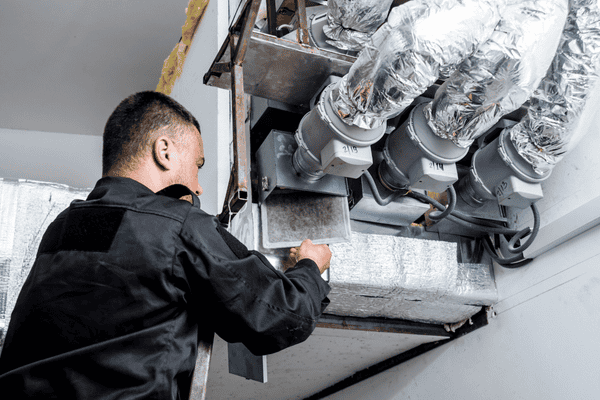
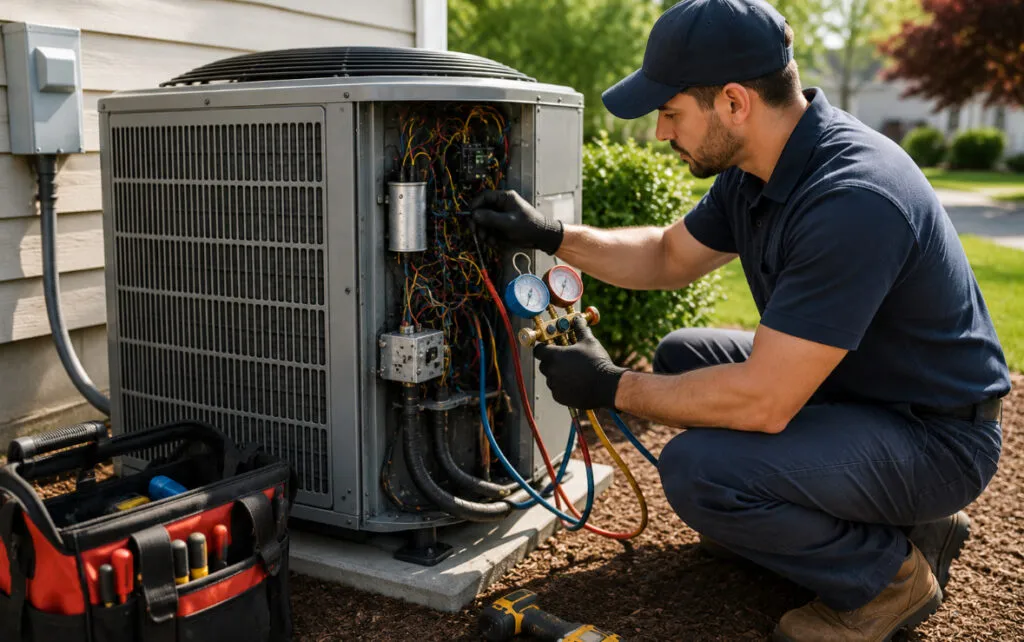
Even with the best habits, HVAC systems need professional care. Annual or biannual tune-ups catch issues like clogged coils or debris-filled blower assemblies before they affect comfort. Always notify the HVAC technician about your pets before each appointment. This detail allows the technician to inspect filters, ducts, and equipment for pet-specific concerns. Technicians will clean coils, lubricate moving parts, and vacuum out pet hair from critical components.
Routine inspections help avoid costly breakdowns and keep air distribution balanced across all rooms. A well-serviced system returns better energy ratings, comfort, and air quality. Our licensed technicians at Livinon Mechanical are well-experienced in homes with pets and are happy to answer any questions you may have. Get your free quote here.
Thermostat Options to Keep Pets Comfy
Animals tolerate temperature changes differently than humans. With many pets spending long hours at home, comfort requires more than just safe shelter and water. Adjusting thermostat settings when humans leave for work or errands is a simple way to save energy without sacrificing pet well-being.
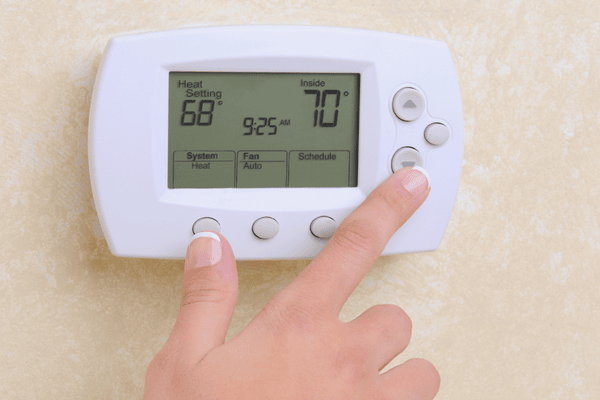
For most dogs and cats, sixty-five degrees in winter and seventy-eight degrees in summer fall into a safe comfort zone. Consider installing a smart thermostat to manage daily settings automatically. Some smart HVAC systems automatically increase fan speed or start an air purifier when sensors detect high dander or odor levels. Many modern systems can be set to circulate air more frequently during high shedding periods, improving comfort for both pets and humans. As technology advances, more affordable options appear, making them accessible to a wider range of homes.
Avoid drastic swings in temperature. Gradual changes are easier for both HVAC equipment and sensitive pets. Monitor your pet’s behavior for shivering, panting, or seeking new places to nap, as these may indicate discomfort.
Creating Harmony for Pets, People, and HVAC
Living with pets does not have to mean sacrificing indoor air quality or system performance. Proper filter choices, diligent cleaning, and regular maintenance can dramatically change the way your HVAC system functions. Small upgrades, like smart air purifiers or programmable thermostats, bring an added level of control, comfort, and security for all family members.
For support and expert service tailored to pet owners, reach out to us at Livinon Mechanical.
Breathe easier knowing your home and your furry friends are both protected by the right HVAC practices.