Livinon Mechanical

Keep Indoor Air Clean During Home Remodeling with HVAC
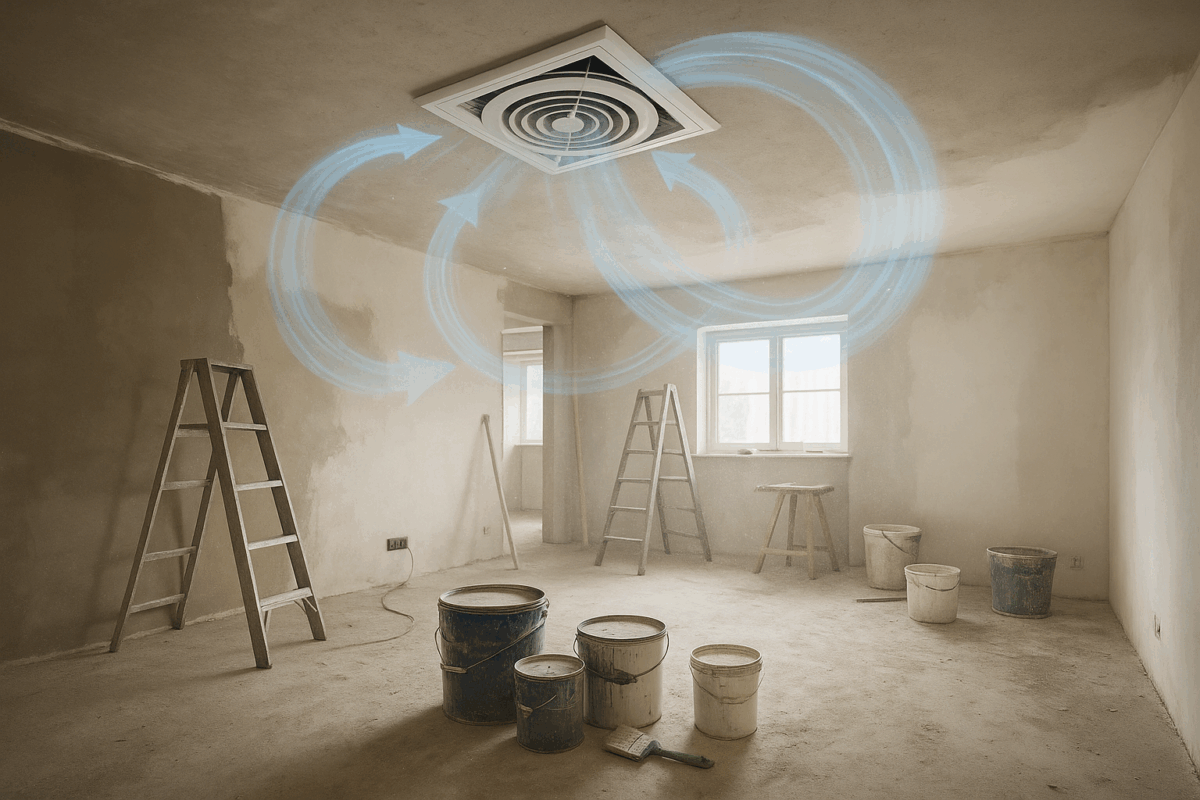
Home remodeling breathes fresh energy into a space. New flooring, kitchen makeovers, and updated paint bring comfort and satisfaction. These projects also disturb the balance of indoor air. Dust, chemical fumes, and other pollutants accumulate quickly. Many homeowners overlook these invisible dangers. The comfort of a renewed room can quickly lose its appeal if the air becomes irritating or even harmful. The HVAC system stands as a powerful tool to protect and improve indoor air during and after upgrades. Invest time and focus on how your equipment can help you achieve a clean, healthy atmosphere during every phase of remodeling.

Remodeling Projects Can Compromise Indoor Air

Every home project, from new cabinets to a bathroom retile, disturbs indoor air. Sawing wood, demolishing walls, and stripping floors all throw dust into every corner. Even the best contractor cannot stop airborne particles from traveling far beyond the workspace. Older homes may carry hidden risks such as lead dust or asbestos. These hazards often remain undetected unless careful steps are taken. Fresh materials also release volatile organic compounds, or VOCs. Paint, adhesives, varnishes, and many manufactured products send out chemical fumes when new. While the scent of fresh paint may signal progress, it also signals the introduction of substances that can trigger symptoms ranging from mild headache to ongoing respiratory irritation. VOCs float through the air long after the project ends, especially if ventilation is weak.

Each pollutant presents unique threats. Dust inflames allergies. Chemical fumes cause eye, nose, and throat discomfort. Moisture left unchecked encourages mold or mildew, which impacts lung health. Children, seniors, and anyone with asthma or sensitivities suffer first and most. Protect your family by recognizing how quickly air can change, and how essential it is to control these pollutants at every stage.

The Hidden Consequences of Remodeling Air Pollutants

Most remodeling pollutants remain invisible, but their effects become clear over time. Dust from sanding drywall or cutting tile tends to settle in HVAC ducts, which later spread it through living spaces. Even after a project, a faint layer can remain on furniture and inside vent grilles. These particles irritate throats and eyes, and if inhaled regularly, complicate existing breathing problems.

VOCs present a different threat. Unlike dust, chemical gases from fresh paint or flooring do not always have a strong odor, especially as ventilation disperses them. These chemicals linger for weeks or months, with certain substances linked to headaches, dizziness, and even long-term health impacts if exposure repeats. Synthetic carpets, wood stains, and plastic laminate adhesives contribute to this problem.

Water and residual dampness after a project support mold growth. Gypsum wallboard, wood framing, and subfloors are all at risk if not kept dry. Mold releases spores that irritate the lungs and make illnesses worse in vulnerable groups.

Repeated exposure mounts gradually but steadily. An unfinished basement, an old attic with new insulation, or even a whole-home replumb can change air quality for weeks. The impact multiplies if doors, windows, and vents remain closed due to bad weather or security concerns. Effective HVAC strategies guard against this hidden risk.

Containing Dust and Pollutants During Repairs

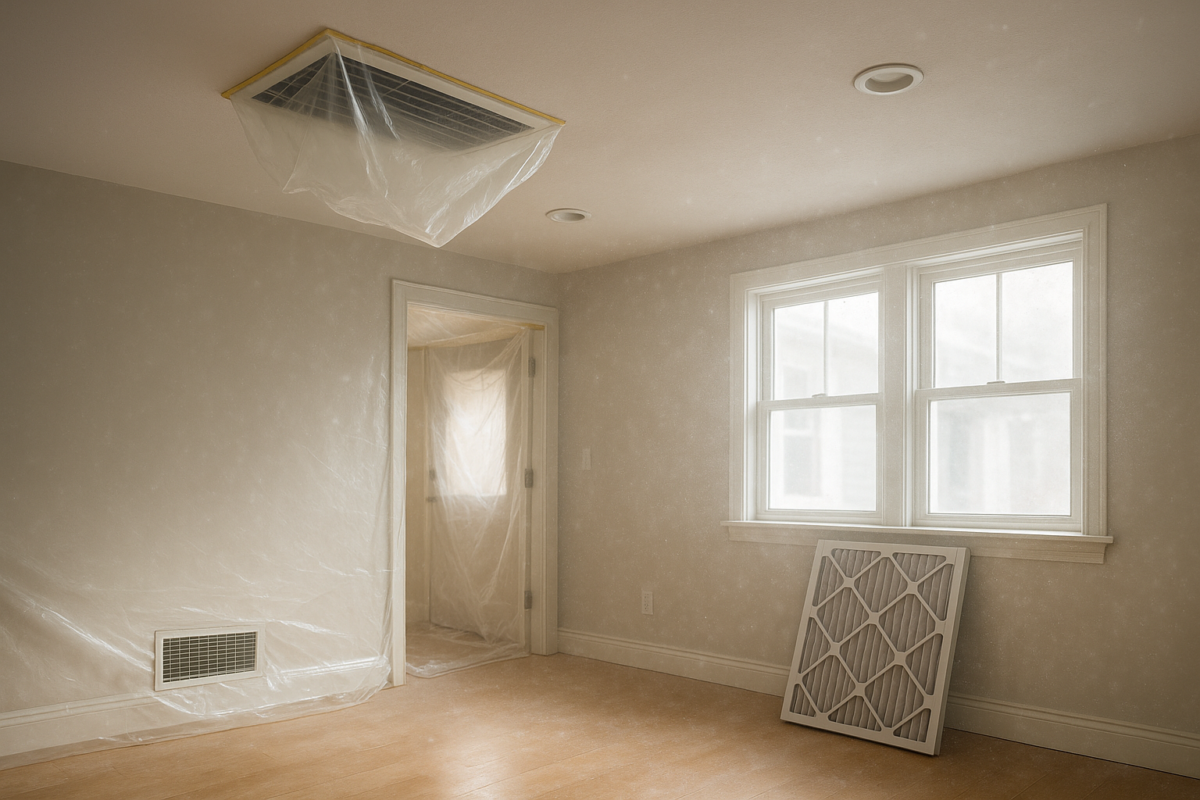
The first goal during remodeling is to stop contaminants from spreading. This is easier said than done, since tiny particles move quickly and settle slowly. Construction teams often use plastic sheeting or similar barriers to separate one room from another. Polyethylene sheeting, six mils thick or more, is a popular and strong material. Temporary walls or zipper doors also block passage between rooms so contaminants stay near their source.

It is not enough to close a door and hope for the best. Air moves through vents, under thresholds, and along gaps in flooring. Cover each HVAC vent opening in active work areas using plastic or magnetic vent shields. Tape the edges thoroughly so nothing seeps through. Turn off any fans or recirculation settings on your system while work is ongoing. By closing returns and supplies, you prevent dust from reaching ductwork that can later spread debris throughout your home.

For larger projects, consider negative pressure setups. This involves placing an exhaust fan in a window or doorway, blowing air out of the work zone, so airborne particles move outdoors rather than toward the rest of your house. Job sites with this system notice dramatically less residue coating surfaces adjacent to the workspace.

Effective HVAC Ventilation Strategies for Remodels

Ventilation supports indoor air by removing dirty air and replacing it with fresh air. During remodeling, pay extra attention to how your system moves air. If your HVAC setup includes a fresh air intake, keep it running to bring outdoor air inside. This method rapidly reduces VOC concentration and prevents dust from lingering.

Open windows, when possible and safe, even for a few hours. Cross-ventilation, achieved by opening two windows on opposite sides of your home, disperses contaminants much faster than a single-source fan. Use exhaust fans in bathrooms and kitchens to push fumes and particles outside. Rely on portable air pumps or HEPA-filtered air scrubbers in particularly dusty work environments. These tools remove ultra-fine particles that escape normal household filters.

Your system may allow for high or low speed circulation. Set blowers to higher speeds to pull air through filters more frequently during and after the project. If you have zoned climate control, turn off heating or cooling in the part of your home undergoing work. This isolates air movement and keeps the rest of the house safe.

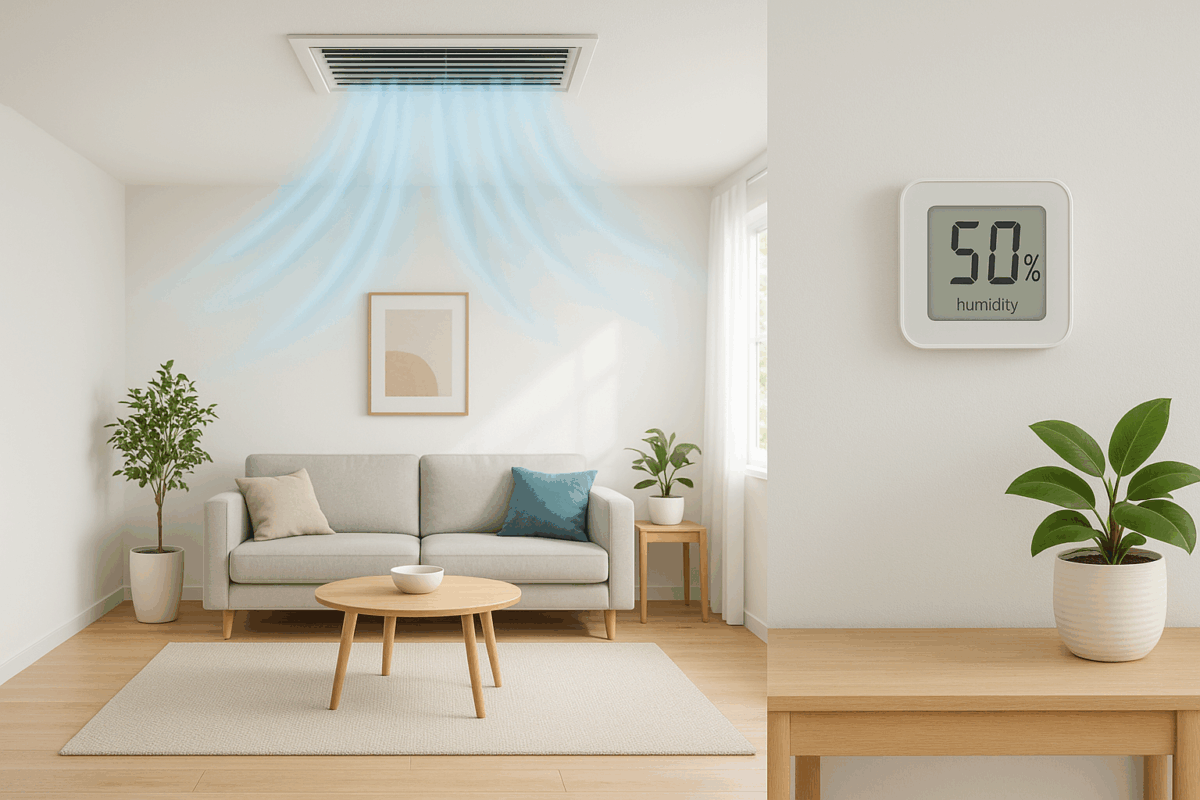
Monitor humidity with a dedicated device linked to your HVAC controls. Modern thermostats often display indoor moisture levels. Healthy homes keep relative humidity from falling below forty or climbing above sixty percent. Excess moisture left unchecked, even for a few days, risks mold. Too little, and dust and fumes become even more irritating.

Professional HVAC experts help tailor these settings for your space, preventing both over-ventilation, which can waste energy, and under-ventilation, which leaves pollution behind. A well-tuned system shields your air at all times, even when windows cannot remain open due to extreme temperatures or high pollen counts outside.

The Best Filters for Remodeling Dust and Chemicals

Filter selection changes the outcome of every renovation. Standard filters in many homes focus on protecting the HVAC equipment. These basic options trap large particles but miss smaller dust and nearly all VOCs. Consider upgrading to a filter rated MERV 11 or MERV 13 during and after your project. MERV, or Minimum Efficiency Reporting Value, measures how well a filter traps tiny contaminants. Higher numbers remove smaller particles, including much of the airborne matter produced by construction or strong-smelling paints.

Many high-efficiency filters are compatible with modern HVAC systems, but always verify before installation. Some systems cannot handle the extra airflow resistance, so a professional check is wise. Use specialized filters like activated carbon for maximum reduction of chemical fumes. These products are designed to trap odors and gases that slip past paper or fiberglass filters. Change filters frequently, sometimes twice as often during active construction or painting seasons, since they can become saturated and lose effectiveness quickly.

If you use portable air purifiers, select units with both HEPA and charcoal filtering. HEPA handles dust, mold spores, and pollen. Charcoal attacks gases, delivering noticeable relief from VOC-related discomfort. Position purifiers near high-traffic areas or wherever family members spend the most time. Continue use for several weeks post-project, as residual particles and fumes will still linger in lesser-ventilated spots.

Regular HVAC Maintenance Protects Air Quality

No matter how technology advances, dust eventually finds its way into equipment. HVAC maintenance is the unsung hero after every renovation. Schedule a deep system cleaning with professionals such as Livinon Mechanical at the conclusion of your remodel or major repair. Ducts, grilles, and coils collect particles freed during demolition or sanding. Even the best job sites generate dust that passes through filters and settles inside machinery. Without occasional removal, these particles escape when the system restarts, contaminating your newly refreshed living space.

Pay attention to your system’s performance after a project. Listen for new noises, feel for weak airflow, and sniff for musty or chemical smells. These clues point to lingering contamination or moisture issues. Regular inspections spot developing problems well before they harm your equipment or health. During each visit, technicians measure air quality, check filter condition, inspect for hidden leaks, and tune your settings for peak air protection. Cleaning evaporator coils and drain pans also lowers the risk of mold, especially after wet work like tile cutting or pipe replacements.

Routine filter changes provide a reliable first defense. Make them part of your monthly or bimonthly cleaning schedule until air has returned to its pre-renovation state. Keep spare filters on hand throughout remodeling season, so you never wait to replace a clogged or dirty unit.

Controlling Humidity After Remodels Stops Mold

Remodeling projects almost always involve water and moisture. Plaster and mortar need curing. Paint takes time to fully dry. New appliances can leak during installation. Humid air lingers after tile installations or during plumbing changes. Mold grows rapidly under these conditions and becomes a constant threat to clean indoor air.

Effective humidity management protects both new finishes and your health. Keep your space between forty and sixty percent relative humidity. Most modern HVAC systems manage this with built-in humidifiers or dehumidifiers. If your equipment does not include this feature, use standalone machines in the wettest rooms. Set your target, and let the thermostat oversee the process day and night. If you live in a damp climate or have a basement remodel, consider additional water sensors and smart controls to alert you to leaks or sustained high humidity.

Watch for signs like musty odors, visible spots on ceilings or walls, or a persistent sticky feeling. Fixing issues early prevents the spread of hidden mold colonies and protects investments in fresh paint, flooring, or cabinetry. Work with HVAC experts for an inspection if signs emerge, since mold often hides inside ducts or under wet insulation.

Why HVAC Professional Help Matters

Homeowners handle many aspects of air protection, but professionals like Livinon Mechanical bring depth and experience. A post-remodel inspection covers far more than a cursory check of vent grilles. Licensed technicians measure airflow, check temperature and humidity patterns, and analyze filtration needs specific to your newly renovated space. They spot shortcuts that might leave your system vulnerable, such as unsealed duct penetrations or missing insulation after moving walls or changing layouts.

Professional duct cleaning extracts stubborn dust and debris left over from heavy demolition. Technicians use specialized brushes and vacuums to reach interior surfaces, restoring optimal flow. They also inspect for microbial growth, helping prevent the onset of mold and mildew in hidden locations. At Livinon Mechanical, technicians provide tailored recommendations for air purifiers, filter upgrades, or even complete equipment replacement if your old setup shows excessive age or struggle after a big project.

Emergency support delivers peace of mind if your system fails while sensitive family members or pets remain at home. Rapid fixes reduce time spent in polluted air and avoid minor issues becoming larger expenses. Visit Livinon Mechanical to schedule a service or review options for continuous home monitoring.

Better Air Quality Creates True Remodeling Success

Home improvement delivers satisfaction and value when the air indoors remains fresh and pleasant. Protecting air with effective containment, advanced filtration, and smart ventilation strategies creates a healthy environment. Upgrade your system as needed to manage unique contaminants from paints, adhesives, and dusty demolition. Focus on ongoing maintenance with timely filter changes and professional cleaning for lasting results. Professional HVAC support from trusted providers like Livinon Mechanical strengthens the results of your labor. Value comfort and long-term health just as much as style and craftsmanship in every remodel project.

Protect Your HVAC System from Extreme Weather Events

Extreme weather events can overwhelm heating and cooling systems. Your HVAC system is a safeguard against fluctuating temperatures, so protecting it before, during, and after storms or extreme conditions keeps your home safe and comfortable. This guide presents action-oriented strategies that will help you protect HVAC from storms and other intense conditions. From preventative steps like routine maintenance to specific techniques for physical protection, this article unpacks what proactive homeowners need for year-round peace of mind.

The Risks Extreme Weather Poses to Your HVAC

Heat waves can overload compressors and electrical systems. Hurricanes expose outdoor units to wind-driven debris, water, and power surges. Blizzards bury HVAC components in snow and ice, causing mechanical strain and even catastrophic server failure. Every form of extreme weather brings a unique threat. These threats often compound with age and lack of maintenance, making it more likely your HVAC unit will fail when you need it most. Preparation is the most effective way to reduce unexpected outages and expensive replacements.

Why Preventative Maintenance Protects Your System

Preventative maintenance acts as the foundation for reliable operation no matter the conditions. Scheduling tune-ups and inspections allows a technician to catch worn parts, refrigerant leaks, and weak compressors before a storm or heat wave. Professional maintenance also includes tightening electrical connections, lubricating moving components, and cleaning filters, coils, and drains.

A clean and calibrated system is less likely to strain when temperatures spike or drop. Addressing issues before weather emergencies means your HVAC will respond predictably and efficiently, cutting down on surprise failures. Maintenance also improves indoor air quality and lowers utility bills by keeping equipment efficient. Livinon Mechanical’s HVAC Preventative Maintenance services are tailored for these thorough tune-ups. Scheduling service ahead of storm season is an investment in comfort and system longevity.

Physical Protection for Outdoor Units

The outdoor condenser or heat pump faces the brunt of severe weather. Wind, rain, hail, and even airborne trash can damage the delicate fins and electrical parts inside. To guard this equipment, start by anchoring the unit to a solid concrete pad or other secure base. Fasteners and brackets prevent the unit from shifting during gusty conditions.

Clearing away furniture, planters, toys, or loose branches near the condenser further reduces risk. Objects left in the yard can become airborne and slam into the HVAC housing. During projected storms, a weatherproof cover designed for your unit can provide added protection from flying debris and ice. Unlike plastic tarps, these covers are breathable, deterring moisture buildup inside which helps prevent corrosion. After storms pass, check that nothing is jammed inside the fan or vents before powering it back on.

If your property is prone to flooding, elevating the condenser by several inches or placing it on a raised platform will keep critical components away from pooling water. Even several inches of standing water can cause electrical shorts or corrode internal parts. Elevating equipment is one of the most effective solutions for long-term protection in flood-prone areas. For tips on physical protection, review additional safety information from sources like American Standard Air and HVAC 365.

Electrical Protection During Severe Weather

Power fluctuations during storms leave sensitive HVAC controls exposed to failure. Lightning strikes and grid surges often hit entire neighborhoods at once. While home surge protectors can shield TVs and computers, HVAC systems require specialized units that filter power directly at the main panel or at the system disconnect. Installing a surge protector on your HVAC system absorbs extra voltage before it reaches compressors, relay boards, and thermostats.

Short circuits from power surges can ruin an entire air conditioning unit beyond simple repair. The cost to add surge protection now is far less than replacing an entire system or waiting for an overworked technician during a widespread outage. Trane explains in more detail about the value of HVAC surge protection on their storm-preparation blog.

What To Do Before an Extreme Weather Event

In the hours before a major storm, check your system for visible damage or warning signs of trouble. Clear leaves, branches, and debris from around the outdoor unit. Lower the thermostat a few degrees to pre-cool or pre-heat your home. This helps hold temperatures longer if you lose power. If flooding is likely, shut off the power to the HVAC system at the breaker panel to avoid electrical hazards. Confirm that the unit is anchored securely and outdoor covers are in place.

If you use an automated thermostat or smart control system, double-check backup settings in case of connectivity issues. Always keep access to emergency contact numbers like Livinon Mechanical’s emergency repair line. Storms can arrive faster than anticipated, so having a backup plan is critical.

Actions to Take During a Storm

When the storm begins, limit system use as much as possible. Running your HVAC at full power during unstable grid conditions exposes it to greater risk from brownouts or voltage spikes. If the weather outside involves flooding or high winds, turn off the breaker for your air conditioner or heat pump. This keeps moving parts from running without protection and helps prevent electrical damage in case water enters the unit.

Avoid opening exterior doors or windows to keep conditioned air inside and maintain safe indoor temperatures. If you use portable generators to supply power during an outage, never connect them directly to your HVAC system without proper transfer equipment. Improper connections can result in damage or create unsafe conditions for utility workers.

Wait until the storm passes completely and utility power is stable before restoring normal system operation. This pause allows both the HVAC unit and electrical components to avoid the risk of a repeating on-off cycle that wears out contacts and compressors.

Post-Storm Recovery Steps for HVAC Protection

Once severe weather has subsided, begin by visually inspecting your outdoor equipment. Look for fallen branches, pooling water, or any shifted panels. Check inside the intake and exhaust grilles for debris. Do not attempt to remove major obstructions or straighten bent components yourself. Call a licensed technician. Never restart the system if parts appear damaged, smell burnt, or make unusual noises.

If your area experienced flooding, do not attempt to turn the HVAC system on until a technician has checked for waterlogged components or potential electrical faults. Water damage is not always visible, and trying to operate the system can cause fires, shorts, or even trigger insurance concerns. Even if flooding did not occur, having your system serviced following a severe event can identify problems early. Storm stress can cause slowly developing electrical and mechanical failures.

Livinon Mechanical’s technicians offer emergency repair services with fast response times to restore your system safely. Emergency HVAC service guarantees professional insight into any issues that could become larger problems if ignored.

Long-Term Extreme Weather HVAC Preparation

Defending an HVAC unit is not just about a single episode. Ongoing preparation increases equipment life and comfort level throughout the year. Schedule regular inspections every spring and fall before peak heating or cooling demand. Periodic equipment evaluations catch hidden issues like fan motor wear, weak relays, or low refrigerant levels. Use this opportunity to ask about additional improvements such as protective fencing, permanent surge suppression, or stronger mounting solutions.

Homeowners in storm-prone areas may benefit from specialty add-ons. Some properties need hurricane-rated unit cages, which keep flying objects or animals from entering the condenser during storms. Others might consider remote monitoring solutions to check on system health even if not present at home. Investing in the right infrastructure for your climate supports comfort even during unpredictable and severe patterns.

Landscaping also plays a subtle protective role. Trees provide shade that reduces summer HVAC workload but must be pruned away from cables and outdoor equipment. Deep-rooting shrubs can interfere with buried pipes or wiring. Evaluate the area surrounding your system with a technician to minimize risks while maximizing benefits.

Common Signs Your System Needs Attention After a Storm

Unusual mechanical sounds or persistent running without obvious results suggest internal damage after a weather event. Sudden increases in energy bills can signal that your system is compensating for hidden damage. Poor airflow, musty odors, and uneven temperatures throughout the house further confirm the need for immediate service. All of these are signs your HVAC system may struggle or potentially fail during future storms if not addressed.

Contacting a professional as soon as you observe a problem prevents further breakdown. Livinon Mechanical’s experts can pinpoint the root cause and make targeted repairs that restore full function without extensive delays. Their experience with post-storm assessments ensures that every part of your system works properly before the next season arrives.

Planning Ahead for Better Peace of Mind

Protecting your HVAC from storms is a year-round process. Using best practices for routine maintenance, monitoring for warning signs, and taking specific steps before and after weather events shields your investment. Strengthening your system’s defenses means fewer disruptions, lower repair costs, and greater comfort in every season. Livinon Mechanical offers the specialized services needed to prepare, repair, and recover. Choose proactive action, and your HVAC will be ready for whatever nature delivers next.

Childproof HVAC Tips for a Safe Home with Kids

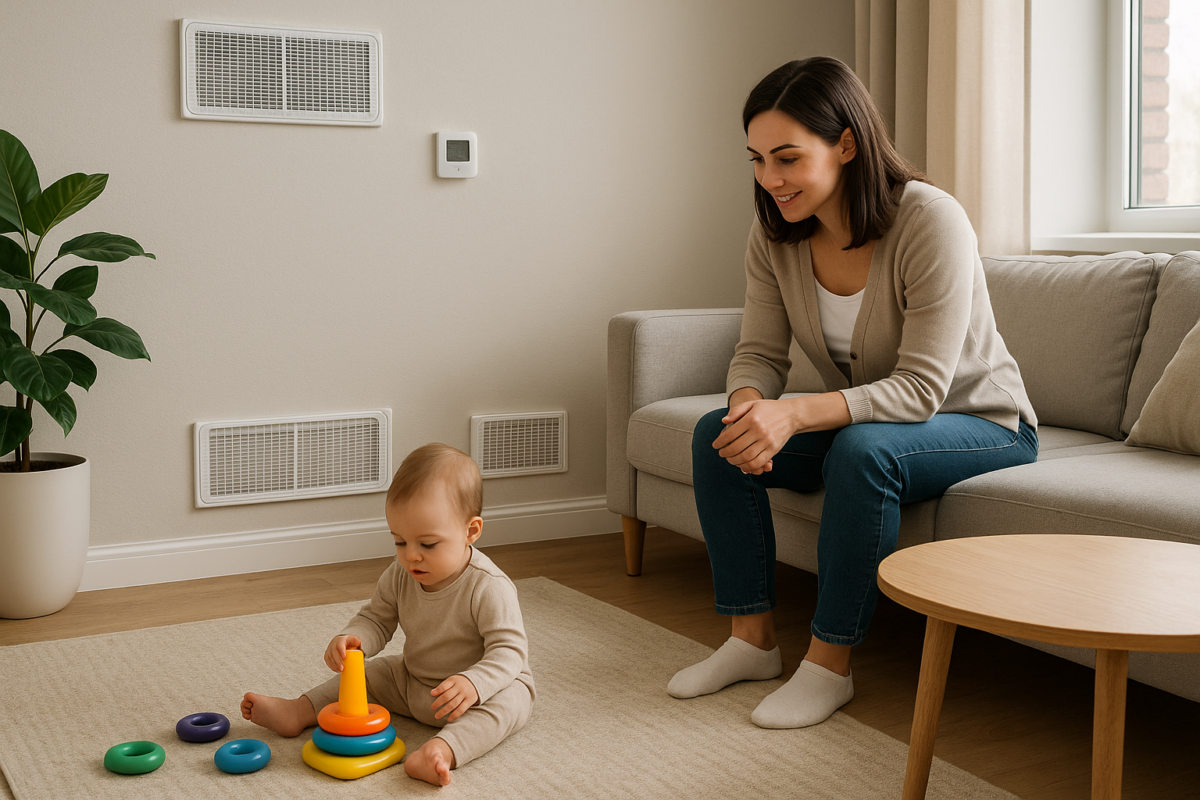
Young children possess endless curiosity. Every parent learns to anticipate sticky fingerprints, toys tossed into unlikely spots, and little hands reaching for anything within sight. In homes with heating and cooling systems, this natural curiosity can become a real safety concern. Sharp metal, electrical parts, open vents, and temperature controls all become sources of worry for watchful adults. That concern is valid. Unsafe HVAC setups have caused accidental burns, finger injuries, and even electrical harm when left unchecked. The great news is that with deliberate planning, parents can create a safer environment. This article details reliable actions for families hoping to reduce risks, keep systems working efficiently, and most of all, protect their smallest household members from harm.

Why Childproofing HVAC Systems Matters

Every year, children are injured by common household objects that adults often overlook. Floor vents, grates, and thermostat controls draw younger children in quickly. Without basic precautions, little fingers can be pinched, cut, or even burned, leading to crises that can be avoided. Many HVAC systems have exposed screws, sharp edges, and wiring for thermostat connections. Outside, powerful cooling compressors and lines present risks too. HVAC safety for kids is not only about injury prevention. Childproof HVAC practices also guard against unwanted air leaks, reduced efficiency, and clogged systems when foreign objects or dirt find their way into ducts and components. By building thoughtful safeguards, families enjoy both comfort and peace of mind.

Common Dangers of HVAC Components for Children

Children do not view homes as adults do. They see holes in the floor as hiding places. Wall grates become toy launchpads. The blinking light on a smart thermostat attracts like a beacon. Problems often start small. Coins slip through a vent, a register becomes loose, or moisture appears under an air handler due to tampering. These minor events can quickly escalate. Children may insert more objects, loosening vents or wires, exposing sharp or hot surfaces underneath. Some children try to stand on or kick floor vents, risking a fall or cuts. In older homes, metal vents with sharp corners are common. Thermostats at child’s-eye level invite pressing, twisting, and even removal. Families with outdoor units must prevent tiny hands from reaching around fan guards or yanking exposed wires on condenser units. The dangers extend to accidental system shutdowns, expensive repairs, or the system working overtime because registers stay blocked.

Securing Floor Vents and Registers

Many of the injuries from HVAC systems occur at the floor or lower wall level. Children are often at eye level with these vents. Items tossed inside may include gums, marbles, crayon bits, and even small snacks. Not only can this damage your HVAC system, but in rare cases, children have gotten fingers stuck or have cut themselves on the vent edges. Using vent covers with a very fine mesh can solve this easily. The mesh keeps smaller toys and debris from passing through, but it also prevents fingers from reaching deep inside. When purchasing vent covers, choose material that allows sufficient airflow. Heavy plastic or powder-coated steel offers both safety and durability. Avoid covers that can be popped off easily with a tug. Instead, choose those designed to fasten with small screws or brackets. This offers another level of security.

All floor and low wall registers should be checked for stability. Fasten each with sturdy screws or nails. Periodically review all vents, as even the best materials may loosen over time through normal cleaning or toddlers testing their strength. For decorative vents, check if any sharp edges or corners are exposed. Rounded vent designs often prevent scrapes and cuts. If your child has already developed a fascination with pulling at vents, consider using child-safe furniture or large area rugs to block temporary access while you strategize a long-term solution. Preventing items from falling into ductwork will also help keep airflow healthy and repair costs low.

Protecting Thermostats from Curious Hands

Modern thermostats can be as enticing as a new toy for a small child. Digital readings, colorful lights, and buttons rank high on any toddler’s interest list. Children can easily change the temperature or settings with just a slight touch. This can disrupt the comfort level in the home, waste energy, or in some extreme cases, cause a furnace or central air conditioner to short cycle and wear out prematurely.

The best solution is to install a lockable cover over the thermostat. Clear polycarbonate models let adults check numbers without opening but completely prevent prying fingers from changing the temperature or setting. These enclosures are tamper-proof while offering enough airflow to let the thermostat read the true room temperature. Always mount the thermostat at a height out of reach of children, even if your original installation placed it low for convenience. Most professionals recommend thermostats remain at least five feet above the floor, ideally higher for families with taller kids.

If you are building or remodeling, let your HVAC technician know that young children are in the home. They can advise on optimal placement, taking future proofing into account. Avoid decorating around the thermostat with furniture that can be climbed. For extra safety, limit Wi-Fi access to thermostat apps so older children do not make changes through smartphones or tablets.

Managing and Securing Exposed HVAC Wires

Exposed wiring often exists near thermostats, outdoor condensers, or furnace access panels. Young children may attempt to pull, bite, or wrap wires found within reach. Wires attached to HVAC appliances carry current, which creates a real electrical threat. Loose or frayed wires also pose fire hazards. Bundle any loose cords with child-safe cord organizers or spiral wraps. Cord covers made for baseboards add an extra barrier that blends in with home décor without drawing more attention to the wires themselves.

Wall-mounted cable raceways and protector strips work especially well for longer runs. Secure the covers tightly so they cannot be easily pulled loose. Always check for areas that might snag little fingers or get pried away through repeated attempts. Once cables are fully secured, teach children not to tug at them. Periodically inspect the installation, ensuring covers have not loosened with daily activity. If any frayed or burned wires are discovered during these checks, schedule an HVAC repair right away to resolve safety concerns.

Outdoor HVAC Unit Safety for Young Kids

No discussion of HVAC safety for kids is complete without attention to the outdoor unit. Central HVAC systems rely on a compressor and fan system installed outside the home. This area presents serious risks because of moving fan blades, sharp fins, pressurized refrigerant lines, and electrical junctions. Even units placed on the side or back of a home become a playground for unsupervised kids. Installing a permanent, sturdy fence or other barrier around the outdoor unit deters children. Keep gates locked. Always make sure barriers do not block airflow or access required for maintenance. Choose fencing designed for air circulation and strong enough to withstand a child pushing or bumping into it.

If your yard is frequently used for play, add a visual cue like a shrub or landscape boulder set further out from the unit to reduce temptation. Inspect the fenced area regularly for signs of digging, missing screws, or rust. Keep all refrigerant lines and disconnect boxes behind the barrier. Never allow children to use the outdoor unit or fencing as a seat, step, or climbing support. For households with pets, consider raising the unit slightly off the pad to prevent animals from burrowing nearby.

Routine Maintenance and Homeowner Education

Regular HVAC maintenance increases comfort but also addresses hidden hazards. Professional inspections identify corroded parts, loose vents, faulty controllers, and emerging electrical problems before they threaten children’s safety. Trained technicians can also spot overlooked entry points where children may reach wires or create blockages. Schedule checkups twice each year. Share information about young children and ask technicians for advice on extra safety improvements. During these visits, filters should be changed, airflow checked, and all covers inspected for security and wear.

Education also serves as a powerful form of childproof HVAC safety. As children grow, talk about the dangers of hot surfaces, electrical wires, and the importance of not inserting objects into vents. Use age-appropriate language and reinforce your guidance with reminders whenever new behavior appears. Encourage children to report anything unusual, like a rattling vent, a strange smell, or water leaking from an indoor coil. If your HVAC system comes with a user manual or warning labels, review them yourself and keep emergency repair contacts visible. Equip every adult in the home with a plan in case of HVAC-related injury or malfunction.

Best Practices During HVAC Repairs

Children often want to watch or “help” with home repairs, but HVAC work must always stay out of bounds. During any maintenance or repairs on your system, have a second adult present to supervise children in another room. If you are working alone, fully secure the area by closing doors or blocking hallways with baby gates. Keep all parts, tools, and packaging off the floor and out of reach. Never leave screws, sharp sheet metal, or wire end pieces behind after a project. Large cardboard boxes from new equipment quickly become popular hiding places for imaginative play but can hide sharp objects inside.

After the work is done, review every exposed area. Confirm that all vent covers are back in place, that fuse boxes and access panels are locked, and that parts required for safety are returned. Dispose of all packaging and loose material the same day. If the project involves any change to electrical wiring or system controls, conduct a full power test before allowing children back into the area.

HVAC System Design Tips for Families

Childproof HVAC considerations should influence home design decisions. If you are building or planning a major renovation, request that contractors use smooth-edged vents, choose recessed registers in high traffic areas, and place thermostats away from children’s bedrooms or playrooms. Avoid HVAC layouts that require wires to run along exterior walls near the ground, where hitting with toys is common. In homes with multiple floors, be cautious with vents placed near open stairwells, as items dropped down can go missing and block airflow.

During equipment selection, ask for models with tamper-resistant access panels and built-in child safety locks. For smart systems, opt for app controls that require strong authentication. Protecting your family starts at the design stage, making it easier to maintain long-term safety as your children grow.

How Clean Air Improves Family Health

Childproofing your HVAC system does more than stop physical accidents. Clean, filtered air makes a home healthier, especially for children with asthma, allergies, or chronic sinus troubles. When vents are blocked or filled with foreign objects, dust and allergens build up. Clogged filters let germs and pollen circulate freely, which can trigger respiratory issues. Cleaning and changing filters on schedule supports both air quality and system performance. Encourage your children to keep vents clear with reminders matched to their age and habits, linking clear airflow to the family’s comfort each season.

Some families invest in whole-house air purifiers or install UV sterilizers in the ductwork for another layer of protection. Keep these additions protected from inquisitive exploration with covers and hidden wiring just as you would with primary HVAC systems.

Tips for Talking to Children About HVAC Safety

Direct discussion provides children with tools to stay safe on their own. Introduce household safety rules early, including HVAC awareness. Point out the vents, grates, thermostats, and wires, explaining what each does in your home. Younger children can understand a simple “hands off” approach to vents and thermostats, while older children may ask questions about how heating and cooling works. Share stories or age-appropriate videos showing the results of unsafe behavior.

Offer plenty of positive reinforcement when you see good habits. Celebrate the child who reminds a sibling not to touch a register or who reports a loose vent cover. Safety education works best when revisited often, especially before seasonal changes or during high-activity holidays with many guests in the home.

Final Thoughts on Safer Homes for Kids

Consistent attention to childproof HVAC practices shapes both a safe environment and a well-running system. Securing vent covers, protecting thermostats, managing wires, fencing outdoor units, and scheduling inspections all work together. Parents and caregivers can reduce accidents, curb unnecessary repairs, and set healthy patterns that children will mirror as they grow. With the right steps, families gain the comfort they expect from their heating and cooling system, and children enjoy a home that invites curiosity without risk. For expert advice and quality HVAC solutions, turn to professionals who understand these special family needs. Protect your loved ones. Keep your home safe for every season.

Solar Powered HVAC Worth the Investment

Solar powered HVAC systems offer a unique solution that combines sustainability with comfort for homeowners. With energy costs continuing to rise and environmental concerns at the forefront, many are searching for practical ways to reduce expenses and minimize their carbon footprint. Using solar panel heating and cooling completes that goal, supporting the transition to cleaner energy while providing reliable temperature control. In this article, learn what solar powered HVAC means for your home, how it compares financially, and the best methods to take advantage of this technology, from system types to installation guidance.

Understanding Solar Powered HVAC Systems

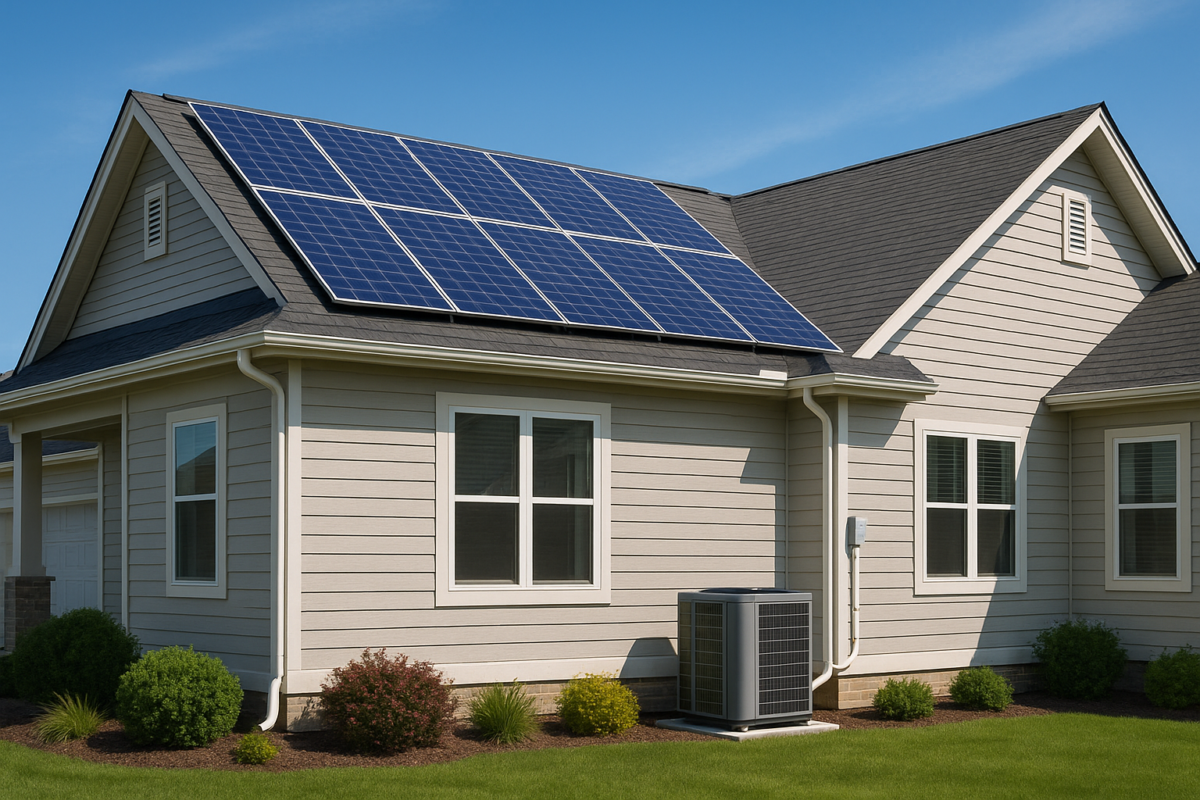
Solar powered HVAC systems make use of one of two main technologies. The first, solar photovoltaic systems, use solar panels to convert sunlight directly into electricity. This electricity supplies your heating and cooling units, which means less power is drawn from your local utility grid. A second type, known as solar thermal, harnesses the sun to heat a fluid. That fluid circulates and helps manage air temperature indoors, contributing to both heating and cooling operations. Both designs use renewable energy to significantly lower household emissions and reliance on grid power.

For many homes, solar photovoltaic systems make the most sense. They pair well with conventional air conditioners, heat pumps, or other electric-based HVAC units. Installation requires an array of solar panels, proper wiring, and connection to the existing HVAC infrastructure. Homeowners in regions with frequent sun exposure get the best return. For those in cloudier areas, performance may dip, though modern systems remain quite effective. Solar thermal options are less common in the United States but have carved out a niche for those looking for advanced energy integrations. The right choice depends on your home’s orientation, climate, and preferred method for heating and cooling.

Initial Cost Compared to Long Term Savings

One of the first questions homeowners have concerns cost. Installing a solar powered HVAC system requires a higher investment upfront than a traditional system. Equipment, installation, and upgrades to fit your existing home must be considered. Despite this, monthly savings quickly add up. Most homeowners see bill reductions after the first season of operation. Depending on location, usage habits, and system selection, some homeowners report savings as steep as forty percent over traditional HVAC costs.

The timeline for return on investment depends on numerous factors. In many cases, solar powered HVAC pays for itself within a few years. As electricity prices continue to climb, these savings could increase as time goes by. When paired with available incentives and low interest financing, the initial investment becomes easier to manage for the long haul. The true value shines when considering rising grid power costs and the steady output of solar energy, especially in sunny climates.

Regional Factors for Solar Powered HVAC

Solar panel heating and cooling performs best under strong, direct sunlight. Places like Austin, TX, see robust results with rapid payback due to generous sun exposure. Customers in these regions often benefit from faster installation and increased options from local professionals. Even homes outside high sun zones can gain advantages, though the efficiency ratio shifts. In areas with less consistent sun, systems may need to be larger or backed up by grid power more often. However, advancements in solar panel design now allow for far greater energy collection during lower light conditions than ever before.

Take into account shading, seasonal sunlight patterns, and roof orientation. A professionally conducted assessment helps pinpoint whether your property is a strong candidate for solar integration. While nearly any home can use solar technology with the right equipment, some locations simply produce better results due to weather patterns and available daylight.

Best System Pairings for Efficiency

Combining solar panel power with high-efficiency HVAC systems brings together the strengths of both. Heat pumps, known for their ability to move heat rather than generate it, make a fitting match with solar setups. These units only require electricity to transfer heat in or out of your living spaces. Solar panels provide the majority of this power, leaving grid dependency at a minimum. Modern variable-speed compressors and ductless mini-splits only enhance this match, operating with precision and consuming less energy at every stage.

Smart thermostats and energy recovery ventilators take things further by keeping energy use well-managed throughout the home. The synergy between efficient HVAC and solar panels maximizes comfort with minimum power draw. Selecting quality components ensures the system works reliably, delivering peak efficiency without high operational costs.

Understanding Federal and State Incentives

Financial help is available to make solar installations attractive. The Federal Solar Investment Tax Credit provides a thirty percent reduction in system cost through your annual taxes for qualifying solar panel projects between now and 2031. Some states offer their own rebates, low interest loans, or additional credits that can piggyback with federal programs. These incentives can reduce initial expenses and improve long-term value, making solar panel heating and cooling a more approachable choice for many families.

The application process for incentives is straightforward but does require documentation. Work closely with your installer and tax advisor to confirm you are eligible and prepared with the required paperwork. By utilizing credits and rebates, the net cost of upgrading falls well below sticker price, making renewable energy accessible even for homeowners on a budget.

Professional Strategies for a Successful Installation

The path to a smooth solar powered HVAC installation starts with a professional evaluation. Certified contractors have the tools and experience to design a system tailored to your property. They check roof condition, proper orientation, and potential obstructions to sunlight. The goal is to place solar panels where they can yield the highest output.

PNeglecting quality equipment brings future headaches with performance and reliability. Choose solar panels with proven durability, high efficiency, and good warranties. The same holds for the HVAC system you pair with the solar setup. Reliable brands with established support networks make repairs and maintenance less daunting, should the need arise.

Routine care is needed to protect your investment. Professional maintenance includes inspecting connections, checking for worn parts, and cleaning solar panel surfaces. Clear panels work at higher capacity and reduce operating strain on your HVAC units. Homeowners committed to regular upkeep see their systems last much longer and maintain their savings over time.

Work with a contractor who is familiar with incentive programs and can streamline your paperwork. Companies like Livinon Mechanical know what Austin, TX homes need and guide clients through local requirements. Local experience speeds up installation, brings confidence to system design, and supports long-term care of your system.

Choosing the Right Type of Solar System for Your Needs

When weighing options, consider your home’s size, energy usage patterns, and climate. Full solar photovoltaic systems work exceptionally for homeowners who need cooling through long, intense summers, like those in Texas. Households with lower energy demands or more moderate climates might benefit from a smaller investment or a hybrid solar approach that combines solar with grid support.

Solar thermal systems can offer higher efficiency for heating needs but may not be as effective for air conditioning on their own. Consult your installer for guidance on matching the system to your lifestyle. Every home is unique, and a customized approach keeps costs balanced with savings. If your property cannot support enough panels for a full solar solution, partial systems or energy storage add flexibility and value to the setup.

Environmental Impact of Solar Powered HVAC

Replacing grid-based electricity with solar power makes an immediate impact on your home’s emissions. Solar panel heating and cooling lowers demand for nonrenewable resources, shrinking your household’s footprint year after year. Smaller environmental impact also brings benefits at the community level, reducing strain on the grid during high demand seasons.

In many areas, grid electricity is produced using fossil fuels. Using solar powered HVAC breaks this cycle, providing cleaner air, fewer emissions, and increased energy independence. Even partial adoption helps, with any reduction in grid use making meaningful progress. Eco-conscious homeowners appreciate the role solar power plays in broader sustainability efforts, every kilowatt generated on site benefits both home and environment.

Overcoming Common Challenges in Solar HVAC Adoption

Concerns about cloudy weather, installation complexity, or maintenance routines stop some homeowners from taking the next step. Modern solar panels now operate efficiently under a variety of conditions, not just full sun. Advances in battery technology and grid-tied systems make it possible to store solar energy for use at night or on overcast days. Professional installers anticipate installation barriers, helping overcome issues like roof angle or limited space.

Maintenance requirements are less demanding than many expect. Solar panels are largely self-sufficient after installation, requiring only periodic cleaning and visual inspections. Most well-installed systems run flawlessly for many years with simple routine care. Working with knowledgeable providers means help is always available if challenges do arise. The peace of mind grows along with your savings, as each year of operation builds confidence in the technology.

Why Austin, TX Homes Are Perfect for Solar Powered HVAC

Austin residents enjoy ample sunlight, making this region one of the top choices for solar investments. Frequent sunshine provides consistent energy production, allowing homes to operate HVAC systems during the hottest months with minimal grid use. Local expertise makes installation more efficient, thanks to contractors with experience managing the region’s heat, humidity, and unique building requirements. The blend of high sun exposure, rising energy prices, and supportive local policies creates a favorable environment for adopting sustainable heating and cooling technologies.

Livinon Mechanical specializes in air conditioning connections, preventative maintenance, and custom solar solutions tailored for Austin homes. Their approach considers each property’s specific features, from roof design to family lifestyle. The result is a system that blends green energy with dependability, making year-round comfort both sustainable and cost-effective.

Bringing Solar Power to Your Home’s HVAC

Combining solar energy with HVAC systems delivers multiple benefits. Lower energy bills, decreased emissions, and less grid dependency become a reality the moment the system activates. Consider a professional assessment, select quality equipment, and take advantage of state and federal incentives for the best results. In regions like Austin, TX, the decision becomes even easier due to favorable sunlight and a strong network of experienced solar professionals.

Solar powered HVAC is an investment with financial and environmental returns. For homeowners committed to sustainability and seeking reliable indoor comfort, integrating solar panel heating and cooling answers those needs without compromise.

Window Treatments That Boost Home HVAC Efficiency

Passive solar design has changed how homeowners think about energy efficiency. Window treatments and proper window orientation work together to influence indoor temperatures, manage solar gain, and contribute to lower heating and cooling demands. By choosing and using window coverings with an understanding of where your windows face, you can get more from your HVAC system without the need for major upgrades. This article breaks down the science behind solar gain and shares actionable tips to help you control heat, protect comfort, and get tangible energy savings all year. Whether you want lower bills or better home comfort, understanding passive solar design puts you in control.

Understanding Solar Gain and Its Effects on Homes

Solar gain is a process that directly impacts your comfort and costs. When sunlight comes through your windows it raises the temperature of interior surfaces. These warmed surfaces then radiate heat back into the room. In winter, this can be a free source of warmth. During summer, uncontrolled solar gain can quickly make a home uncomfortably hot, leading to higher use of air conditioning and increased energy costs. Managing the way sunlight enters your home stands as a key passive solar design strategy.

The process works through two main types: direct and indirect solar gain. Direct gain happens when sunlight pours through your windows and strikes walls or floors. Indirect gain can occur as heat is collected elsewhere, then radiates throughout the space. Both forms increase the heat load on your HVAC system. Understanding how window orientation and window coverings efficiency work together helps you balance the need for winter warmth and summer shade, keeping utility bills predictable.

Solar gain varies throughout the day and year depending on sun angle, cloud cover, and the layout of your home. In the morning and late afternoon, east and west-facing windows accept intense, low-angle sunlight. At midday, south-facing windows receive steady sun, especially in colder months when the sun sits lower in the sky. Each exposure calls for a unique approach to window coverings and treatments so you get the benefits of solar gain where and when you need it while limiting unwanted spikes in temperature.

Why Window Orientation Matters

The orientation of your windows shapes how much solar gain your home receives. South-facing windows serve as the workhorses of passive solar design. In the Northern Hemisphere, these windows receive high levels of sun in the winter, when it’s most beneficial. With proper shading or overhangs, they can admit needed warmth during colder months and still block the higher summer sun, which tracks a steeper path across the sky.

Windows facing east and west receive sunlight at the start and close of the day. These times often bring harsh, direct light that quickly penetrates living spaces, potentially causing quick heat spikes and discomfort. Window coverings must work especially hard on these exposures to prevent overheating during warm months.

North-facing windows, by contrast, typically avoid intense sunlight. They admit steady, soft, indirect light. While they do not contribute much to solar gain, these windows can benefit from coverings that help with insulation, especially in winter, preventing cold air infiltration and maintaining even temperatures inside.

Getting the orientation right forms the backbone of passive solar design, but even the best window placement cannot work alone. Smart window coverings act as the final control layer, allowing homeowners to shape the interaction between sun, glass, and HVAC systems to match seasonal needs.

Types of Window Coverings That Improve Efficiency

Window coverings come in a range of options, each offering different benefits for managing heat, light, and privacy. Picking the right type depends on your climate, specific window orientation, and the balance you want between function and aesthetics. The best window coverings combine style with high window coverings efficiency so you can adjust comfort on your own terms.

Cellular or honeycomb shades stand out as top performers. These treatments trap air within their pockets, creating a layer of insulation between your interior and the glass. In colder months, they help keep warmth inside, while in summer, they block out a significant portion of incoming solar radiation. Their soft fabric design fits most interior schemes and they often come in blackout or light-filtering options, giving you control over privacy and sunlight.

Drapes and curtains offer strong performance for energy management as well. Medium-colored drapes, especially with white-plastic backing, can reflect some sunlight while still softening the look of a window. Selecting tightly-fitted drapes that overlap at the center maximizes the air-sealing effect, reducing gaps where hot or cold air could flow. Floor-length designs work best. If possible, choose hardware that holds the top of the curtains close to the wall, trapping a small pocket of air for extra insulation.

Exterior awnings can be an excellent way to protect south, east, or west-facing windows from high sun during summer. Awnings block direct sunlight before it reaches the glass, lowering the cooling load for your HVAC system inside. Fabric awnings come in a range of patterns and materials, with retractable options available to fit seasonal shifts. Lightweight metal awnings also offer durability with minimal maintenance.

Window films present a modern solution for solar control. Applied directly to the glass, films reflect a portion of the sun’s heat while still admitting visible light. These are especially useful if you want to maintain an unobstructed view outdoors without the bulk of traditional curtains or blinds. Films are available in a variety of tints and reflectivities, so you can fine-tune the balance between blocking heat and letting in natural light for a tailored result.

Blinds, especially those with wide slats, can be tilted to direct sunlight up toward ceilings, where it disperses without creating hot spots. This allows for daylighting while protecting privacy and comfort. While not as insulating as honeycomb shades, combining blinds with drapes boosts overall efficiency, especially on large windows or glass doors.

Using Passive Solar Design for Maximum Impact

Passive solar design rests on making the best use of natural heat and daylight. It reduces reliance on artificial heating and cooling and shifts your home’s energy flows in your favor. Strategic use of window treatments lets you control these flows with little cost or construction. Seasonal adjustments and maintenance help you get better results from your efforts all year.

In winter, open window coverings during sunny hours to let warmth flow into your home. This reduces the need to run the furnace during daylight hours. Once the sun sets or during cloudy stretches, closing all window treatments sharply reduces heat loss through glass, keeping warmth inside. Using thick, layered curtains or cellular shades in particular can cut nighttime heat loss significantly.

When summer brings long sunny days, reverse the habit. Keep coverings closed during peak sunlight hours, especially on east and west-facing windows. Doing so controls indoor temperatures naturally, lessening air conditioning demand. Cellular shades, reflective window films, and tightly-fitted drapes become strong allies against unwanted heat.

Layering treatments multiplies their insulating power. For example, pairing horizontal blinds with curtains allows for very fine control over light and heat flow. Adjust blinds to admit or block sun, then close curtains to reinforce the barrier against temperature swings. In rooms with large glass areas, combining window films with fabric coverings can create a powerful shield against external heat or cold.

Simple Ways to Increase Window Coverings Efficiency

Increasing window coverings efficiency starts with practical decisions. Choose treatments suited to the direction each window faces. Use shades or curtains with higher insulating values on southern, eastern, and western windows, where solar gain and loss are greater. North-facing spaces work well with lighter treatments if the goal is even lighting and moderate insulation.

Install curtain rods or tracks close to the wall. Reducing the gap between fabric and window blocks air movement, keeping conditioned air inside and drafts outside. Fasten drapes so they overlap at the center to avoid leaks, and extend to the floor for best effect.

Maintain window coverings by keeping them clean and in good shape. Damaged or heavily soiled shades do not offer the same performance. Clean window glass frequently to let in winter sunlight more effectively. Inspect curtain rods, mounting brackets, and any moving parts for smooth operation, so you always get a tight seal against the window frame.

Use the flexibility of treatments to change sunlight entry with the seasons. Consider automated shades if your routine or mobility makes manual adjustment difficult. These raise or lower in response to sunlight, room temperature, or time of day, always optimizing comfort without manual effort.

Exterior solutions such as awnings benefit from seasonal care as well. Retract or remove fabric awnings before heavy winter weather arrives. Clean and treat with UV protectant if recommended by the manufacturer. Check mechanical parts in spring so that awnings open smoothly as temperatures rise.

Practical Steps for Every Homeowner

Improving passive solar design does not require starting from scratch. Curtains, blinds, shades, and films come in options to fit both modern and older homes, making upgrades straightforward. Start by evaluating your windows’ exposure and the current treatments in use. In many cases, adding a new layer or updating old fabric makes a measurable impact on home comfort.

If windows remain bare or covered only by decorative treatments, upgrading to energy-focused options can shift heating and cooling loads in your favor. Look for honeycomb shades with high R-values or drapery liners with thermal backings. Switch out thin curtains for thicker materials in rooms with challenging sun exposures.

Consult with professionals if you have questions about applying window film or choosing the right combination of coverings for your setup. Many hardware or window treatment retailers offer measurement services and support with installation. You often see benefits within one heating or cooling season.

Beyond managing solar gain, effective window treatments create privacy and soften indoor acoustics. They also extend the lifespan of flooring, furniture, and artwork by blocking harsh ultraviolet rays. This makes window coverings one of the lowest-cost, highest-impact upgrades for any household focused on both savings and comfort over time.

Track energy usage before and after making changes to see the difference in action. Many smart thermostats allow you to review daily and weekly patterns for HVAC use. Homeowners frequently report steadier temperatures and quieter systems, as the HVAC unit does not have to work as hard counteracting heat loss or gain through glass.

Getting the Most from Passive Solar Comfort Year Round

Passive solar design empowers you to use sunlight to your advantage. It contributes to reliable comfort and savings across every season. As you integrate new window coverings and adjust your habits based on window orientation, you lock in benefits without needing massive renovations or disruptions.

South-facing windows supply valuable winter warmth when managed with the right treatments. East and west windows require coverings that help block harsh sun and protect against rapid indoor heat spikes. North-facing windows benefit from insulation during cold snaps.

Select materials with care. Combine layers where needed for maximum temperature control, and update coverings as styles and technology improve. Maintenance, seasonal habit changes, and careful product selection maximize window coverings efficiency. Passive solar design remains one of the most practical ways to reduce your home’s energy footprint and achieve lasting comfort.

For more advice on home comfort and mechanical upgrades, visit Livin On Mechanical for professional insight. By taking smart, straightforward steps, you support your HVAC system, cut energy waste, and give your home the comfort and savings it deserves.

Radiant Floor Heating vs Forced-Air Which Heats Best

When selecting a home heating system, most homeowners want efficiency, comfort, and a healthy environment. Two of the most popular choices are radiant floor heating and traditional forced-air systems. Both options have built loyal followings, yet their benefits show key differences. This article compares these two systems in energy performance, the experience of comfort, up-front and long-term expenses, allergy control, and suitability for various home layouts. If you value the details behind how a heating system affects your quality of life and your utility bill, continue reading for in-depth guidance to help match your heating needs with the best system for your space.

Understanding Radiant Floor Heating and Forced-Air Systems

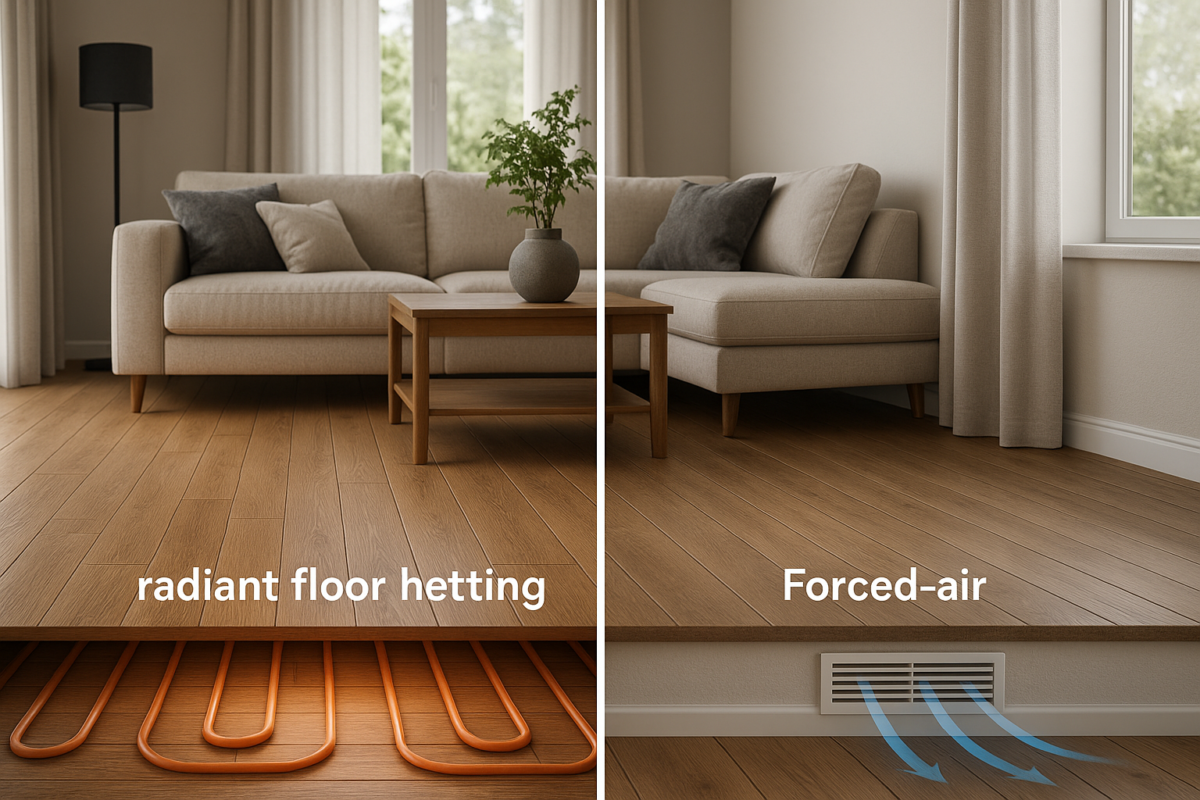
Before evaluating the advantages of radiant floor heating or forced-air systems, you need to know how each system functions. Radiant floor heating operates by running hot water tubes or electric cables beneath your flooring. These elements warm the floor’s surface, which then shares that heat out to the rest of the room. People compare the sensation to standing in sunlight, heat comes from below, surrounding you in a consistent warmth. Once the floor is warm, the space retains thermal energy longer even after the system turns off.

Forced-air systems operate by heating air in a furnace, then using fans to push this air through ductwork and out through vents into each room. Heat arrives quickly, though temperatures fluctuate as the air cycles on and off. Distribution depends on the quality and layout of ducts, along with the strength of the system’s air handler. Many homes, particularly in North America, rely on forced air for both heating and cooling.

While both options can warm a space, the method of distribution, consistency of heat, and the effect on the air in your home differ greatly. Understanding these systems at their core sets the stage for evaluating energy use, comfort, installation, and other key points.

Energy Efficiency in Home Heating

Energy efficiency draws attention from homeowners looking to save on utility bills and reduce their environmental impact. Radiant floor heating often comes out ahead in this comparison. It harnesses the principle of direct thermal radiation rather than trying to flood a space with heated air. The floor itself becomes a low-temperature heater that spreads warmth upward, resulting in more consistent heat without excess loss. Rooms feel warmer at lower thermostat settings, since your body directly senses the radiant energy from the floor. Retention of heat in the floor slab or surface further cuts down cycling, which means the system uses less energy to maintain a steady temperature throughout the day.

Forced-air systems tend to lose efficiency in a range of ways. Ductwork can develop leaks or may be installed without proper insulation. Heat escapes into attics, crawl spaces, or unused rooms before reaching its intended destination. Even a brand new system faces some natural heat loss as hot air moves through long duct runs. This inefficiency increases as a home ages, with dust, debris, or blockages further restricting flow. Forced-air units also work at higher temperatures than radiant floors, pushing the heater to work harder and boosting fuel or electricity costs.

Studies suggest radiant systems can achieve significant energy savings over their forced-air counterparts. Lower operating temperatures, minimal heat loss, and longer periods of retained warmth create a more optimized energy profile. For any homeowner concerned with monthly bills or sustainability, the difference is clear: radiant floors often achieve better results in real homes, especially those built or renovated to maximize insulation and minimize leaks.

Installation Expenses and Lifetime Cost

Upfront costs create one of the most noticeable contrasts between these two heating styles. Installing radiant floor heating, especially as a retrofit, will cost more than forced air in most existing homes. The process requires pulling up floors, fitting tubes or wires, controlling for moisture, and often pouring new layers of concrete or specialized underlayment. Electric radiant heat is sometimes used in individual rooms, but full-house systems most often rely on hydronic (water-based) radiant tubing. Complexity rises with larger floor areas, variable flooring materials, or multi-level designs. Therefore, radiant systems tend to be more practical for new construction or major remodel projects, where you can build in the required materials from the start. You may face less disruption in these scenarios, as well as more design freedom for furniture placement, since there are no vent locations to accommodate.

Forced-air heating systems benefit from an established presence in many homes, meaning expansion or upgrades often make use of existing ductwork. This cuts installation cost in half or even more when compared to radiant projects. Initial outlay remains modest unless major repairs, duct cleaning, or upgrades are needed. However, forced air does limit livable space due to vent and register placement. Older or poorly installed ductwork can undercut efficiency, so sometimes costs increase if extensive duct work or cleaning is necessary.

While radiant floors cost more to install, their lifetime use can balance out the investment. Fewer moving parts mean lower wear and cleaner operation. Maintenance requirements are simpler once the system is installed, often limited to periodic checks of the system’s pump or boiler for hydronic versions. Forced-air units demand regular filter replacement, potential duct cleaning, fan or blower repairs, and the occasional hunt for leaks. Energy savings associated with radiant floors may help return the initial investment over time, especially in cold climates or high-usage homes.

Comfort Comparison

Comfort can mean different things depending on what you value in a home environment. Radiant floor heating is often described as providing uniform, enveloping warmth. Because floors remain evenly heated, there are no cold spots and the room temperature stays consistent from wall to wall. You avoid the dry feeling often associated with blowing warm air, since radiant systems do not artificially drop humidity levels. The silent operation is also a favorite, there is no hum of fans or clicking of registers. For people who dislike drafts or sudden blasts of heat, radiant systems create a soothing setting.

Forced-air systems provide quick warmth once the unit cycles on. Those who appreciate feeling an immediate burst of heating may prefer this approach during cold snaps. However, forced air can introduce temperature variations. Hot air rises quickly, gathering near the ceiling and leaving lower areas cooler. This effect is particularly pronounced in rooms with tall ceilings. The reliance on blowing air can generate drafts, shifting furniture placement and sending dust into the air. The system is also usually audible as it runs, with registers clicking or the furnace turning on and off throughout the day. Comfort can feel less steady, especially in rooms furthest away from the main air handler or along longer duct runs.

The type of comfort you prefer should shape your decision. Radiant floors excel at maintaining tranquil, unvarying warmth, while forced air delivers heat in intense bursts. Families with young children, older adults, or those who spend time at home all day often notice the difference more acutely. If you prioritize silent, even warmth, radiant flooring is difficult to surpass in comfort quality.

Allergy Control and Air Quality

Indoor air quality matters for all households but takes on even deeper meaning when anyone struggles with respiratory concerns. Radiant floor heating holds a significant advantage for this reason. The design does not rely on fans or blowers, avoiding the circulation of dust, pollen, pet dander, or other allergens. Floors stay clean, since air movement does not disturb settled particles, reducing the likelihood of respiratory irritation. Homes with radiant heat may require less frequent dusting and experience improved humidity retention, which can reduce discomfort during the winter heating season.

Forced-air systems must continually move large volumes of air to maintain warmth. This movement stirs up dust and allergens, sending them through the ductwork and out into each room. Filters are designed to capture particles, but their effectiveness depends on maintenance and the type of filter installed. Ducts themselves can become homes for dust mites or mold if neglected. Allergy sufferers or anyone with asthma often feel immediate relief when they spend time in a radiant-heated building. If healthy air is a top concern for your household, radiant heating is often preferable to forced air.

Best Applications for Different Home Types

Not every heating system fits every property. Radiant floor heating is best suited to new construction or staged renovations, when installation is most efficient and least disruptive. Homes with high ceilings benefit especially, since radiant warmth starts at the floor and fills the room without relying on hot air rising. Open-plan designs feel especially balanced, with no cold corners or heat drops in distant areas. Modern architecture with tile, concrete, or engineered wood floors tend to pair well with radiant heating, making them common in custom builds or high-performance eco-friendly homes. Retrofitting radiant heat into existing buildings is possible, but usually reserved for significant renovations or single rooms.

Forced-air systems prove most practical in homes with existing ductwork, or in situations where both heating and cooling are required. The dual-purpose nature of these systems, allowing for both winter heat and summer air conditioning, makes them versatile. If your home already has a forced-air furnace, upgrading or maintaining the same footprint keeps costs manageable. Small renovations or extensions can tie into old systems if ductwork is accessible. For those living in areas with dramatic temperature swings throughout the year, forced air delivers flexibility. Still, if air quality, comfort, or energy use is a top concern, consider whether maintaining or upgrading this setup keeps pace with your home’s evolving needs.

Long-Term Maintenance and Upkeep

Maintenance tends to be a point of concern for many homeowners. Radiant floor heating, especially hydronic varieties, demands attention mostly at the system’s control unit. Pumps, boilers, and thermostats need annual inspection for smooth functioning. However, since the majority of the system sits undisturbed beneath finished floors, the chance for breakdowns or mechanical failures remains low. Major repairs or leaks are rare, provided installation was handled by trained professionals. Radiant electric heat, typically used as supplementary warmth in bathrooms or bedrooms, can also perform for decades with little care beyond monitoring electrical connections.

Forced-air systems, by comparison, place more mechanical stress on their main components. Filters require replacement to keep airflow clean. Ducts occasionally demand inspection, cleaning, or repair to avoid blockages or leaks. Fans, motors, or thermostats may need servicing to prevent breakdowns, particularly after repeated heating and cooling cycles. Air quality can drop if filters are neglected or if ductwork obscures unseen damage. For homeowners prioritizing minimal upkeep, radiant heating’s simplicity holds appeal though forced air can also operate reliably with routine attention. Assess your willingness to monitor, clean, or replace components before committing to either system.

Health Impacts of Heating Systems

Beyond comfort and efficiency, your choice of heating system can shape the health environment within your walls. Radiant floor heating scores well by reducing dust and allergen circulation. This steadier humidity reduces winter dryness, often lessening nosebleeds, dry skin, and irritated eyes. People sensitive to the cycles of heating and cooling, or those affected by airborne irritants, find radiant floors supportive of physical wellbeing. There is no sudden noise to disrupt sleep, and families with babies or seniors particularly enjoy its gentle approach.

Forced air’s reliance on moving and filtering air carries risks if maintenance falls behind. Filters trapped with particles allow allergens back into the home environment. Ducts with condensation can harbor mold and bacteria, circulating those elements every time the furnace cycles on. Some forced-air systems also affect humidity, drying out the air and causing discomfort during the colder months. Filtration and regular inspection can help mitigate these effects, but they add to the system’s annual demands for time and expense.

How Home Design Influences the Decision

The architecture and age of your home influence your heating choices as much as your preferences do. New builds or extensive renovations present an opportunity to integrate radiant floor heating from the outset. Homes with open flow layouts, minimal wall separations, or cathedral ceilings perform especially well with radiant floors. Tile, stone, or engineered hardwood flooring allows for efficient heat transfer. In homes designed for sustainability or aiming for high energy performance, radiant systems combine beautifully with thick insulation and air-tight envelopes.

Older homes that already feature ductwork stand to benefit from keeping or upgrading forced-air systems. In climates where both heating and cooling are non-negotiable, forced air prevents the cost and disruption of installing two separate teams and systems. Some remodeled properties combine in-floor radiant heat downstairs with forced air upstairs. Hybrid solutions maximize comfort while balancing budget, though the cost to create such systems should be weighed against potential energy and health gains.

For any property, whether city, suburban, or rural, decisions ripple into daily routines. Assess your household patterns, comfort needs, maintenance style, and renovation horizon before finalizing new heating investments.

Heating and Cooling: Dual Functions Compared

Another consideration is year-round climate control. Forced-air systems shine here. One set of ducts can handle both heating in winter and air conditioning in summer, often requiring nothing more than a switch between the furnace and the air conditioner. This dual functionality makes forced air especially popular in regions with four distinct seasons. Some radiant floor systems can cool, but this approach is far less common and not as effective due to condensation risks and uneven cooling. Therefore, if summers are blistering and winters are frigid, forced-air offers all-in-one flexibility that radiant floors cannot fully match. Homeowners who are weighing both heating and cooling goals should include this factor in their plans.

Environmental Footprint and Sustainability

Pressure to reduce carbon footprint is growing in the heating industry. Radiant floor heating, particularly when combined with renewable energy sources like solar panels or ground-source heat pumps, can reach impressive sustainability goals. Operating at lower temperatures, radiant systems place less strain on energy resources, shrinking the overall environmental impact of home heating. When installed in energy-efficient homes with proper insulation and high-performance windows, radiant systems further reduce waste and emissions.

Forced-air systems, especially those powered by natural gas, oil, or older electricity supplies, contribute more to greenhouse gas emissions on an annual basis. These units operate at higher temperatures and risk heat loss through inefficient ductwork. Upgrading to high-efficiency furnaces and regularly maintained duct networks can narrow the sustainability gap, but the ceiling for improvement sits lower than with radiant floors. If environmental stewardship ranks as one of your top priorities, radiant heating may provide a clear path toward greener living.

Personal Preferences and Household Needs

Every home is unique, and so is every family’s list of priorities. Some householders care most about long-term savings, while others place the highest value on immediate comfort. For those sensitive to drafts or dry air, radiant floors often feel like a revelation. Tech-savvy homeowners may appreciate the integration options offered by forced air, such as smart thermostats that can handle both heating and cooling from one interface. Aesthetics also matter, radiant heat systems remove visible vents from floors and walls, resulting in a cleaner architectural line throughout the home. Those with mobility issues or small children may also benefit from heated floors, which lessen surface chill and eliminate tripping hazards from exposed registers.

Forced-air systems offer the familiar comfort many grew up with. They are proven, fast-acting, and can be easily controlled room by room with adjustable vents or zoning additions. Some homeowners put a premium on easy upgrades, aiming for modest investments spread over multiple years. For rental properties or homes with uncertain long-term plans, forced air allows for minimal up-front disruption and simple repairs.

Advances in Radiant Floor and Forced-Air Technology

Recent years have brought technology advancements to both types of heating. Radiant floors now offer wireless sensor controls, variable speed pumps, and integration with advanced thermostats. Zoning capability lets each room receive individual attention for personal comfort, raising the bar for efficiency and user satisfaction. Hydronic radiant heating can pair with geothermal heat pumps or solar-thermal panels for even greater savings and sustainability.

Forced-air systems, meanwhile, have expanded their reach with smarter thermostats, high-efficiency filtration options, variable-speed furnaces, and zoning panels. Innovations include ultraviolet lights for cleaner air, or humidity controls to balance indoor moisture. Older homes can often be retrofitted with new, higher-efficiency equipment that delivers hotter heat with fewer emissions. The choice between the two heating styles is not just about tradition; it is also about compatibility with new energy technologies and home-control software.

Making the Best Choice for Your Home

Selecting between radiant floor heating and forced-air heating systems rests on several main factors, each tied to your home design and comfort expectations. Radiant floors deliver quiet, balanced heat, superior air quality, and long-term energy savings, most of all in new builds and major remodels. Forced air remains less expensive to install, works well with combined heating and cooling, and is simple to upgrade in homes with existing ductwork. Each method comes with its own personality and feature set, reflecting the ways you live, relax, and care for your space.

Gather feedback from everyone in your household. Research case studies of homes similar to yours. Consult with local mechanical contractors or HVAC experts. Each step draws you closer to a choice that keeps you warm, supports healthy living, and aligns with your goals for efficiency. Both systems can function flawlessly in the right situation. The best system is the one that fits your unique persona and space. For more help, you can always reach out to a professional, such as the team at Livin’ On Mechanical, for personalized advice and installation insights.

Protect Your HVAC During Renovation Projects

Home remodels bring new vibrancy and functionality to a house. Fresh paint, new flooring, expanded rooms, these features can completely transform your living space. Yet, during all the excitement, your home’s HVAC equipment quietly faces a hidden risk. Dust, debris, and accidental mishaps can sabotage performance and lead to pricey repairs once the renovation is done. HVAC dust prevention and physical system protection are rarely front-of-mind for contractors, which means homeowners need to be proactive. Follow the strategies below to keep your HVAC in top shape and save yourself from unexpected problems down the road.

Why Remodeling Threatens Your HVAC System

Home renovation projects create large amounts of particulate matter. During demolition, tasks like sawing and sanding fill the air with dust. This fine dust floats throughout the house, settling in places you might not even notice. HVAC systems, with their powerful fans, can easily pull these contaminants into vents and ductwork. When this happens, clogging and contamination put strain on air handlers, coils, and filters.

If dust gets into the system, it often goes unnoticed at first. Gradually, airflow drops, efficiency plummets, and utility bills creep upward. In severe cases, internal parts overheat, sensors misread conditions, and corrosion develops on sensitive electronics. Excess debris inside ducts also raises the risk of indoor air quality issues long after the construction is finished.

Most remodeling contractors focus on the build, not on the equipment running in the background. Actively managing airflow and filtration during your project is one of the top ways to protect HVAC during renovation and keep your investment running strong.

Start by Powering Down Before Demolition

Construction debris becomes most hazardous during demolition and initial construction. The air virtually fills with dust as materials get torn out. When the HVAC fan runs during this phase, it acts like a vacuum pulling airborne particles into every duct. Turn off your HVAC system completely before this work begins.

If you must keep some climate control running, opt for portable units or window air conditioners in other areas, keeping the main system off until the dust settles. This simple choice keeps heavy debris out of grilles, coils, and other sensitive components where cleanup is more difficult.

Wait until the highest-dust activities are over before restoring power. Once the space is cleaned and free of debris, restart your HVAC and continue your renovation with caution.

Sealing Vents and Registers to Block Contaminants

Exposed HVAC vents and registers become open invitations for dust during any project. Cover every supply and return register in the affected areas with plastic sheeting and painter’s tape. This barricade keeps fine particles from getting sucked into your system, even if there is accidental airflow.

Do not block every vent throughout your home unless all the rooms are under renovation. Concentrate on the work zones. Covering all vents throughout a house may create pressure imbalance if the system runs. Focus on in-room protection for the construction area.

For extra assurance, check your temporary covers daily. Make sure painter’s tape adheres snugly, and replace any plastic sheet that becomes loose or torn by construction activity.

Building Barriers with Containment Zones

Smart dust management starts with isolating the renovation area from the rest of your house. Professional remodelers often erect flexible barriers to contain dust using thick plastic sheeting and zipper entryways. Creating these zones limits the movement of airborne debris from spreading into rooms you want to keep clean, including where the HVAC system’s main intakes are located.

Extend your containment zone completely to the ceiling and seal along edges with strong tape. This method creates an effective “room within a room” that traps particles before they drift toward vents or open doorways. An effective containment barrier also reduces your cleaning workload outside the construction space.

If you are hiring contractors, ask about their dust control plans before work begins. Request that they set up containment and comply with your HVAC protection steps, reminding them that your heating and cooling investment is a priority.

Taking Dirty Work Outside the House

Cutting wood, drywall, stone, and tile in your living space multiplies the risks your HVAC system faces. Whenever construction allows, mandate that contractors cut, sand, or grind outside the home. Outdoor cutting and finishing keep the cloud of dust out of your vents, and far from your air conditioning and heating hardware.

If weather or space requires occasional indoor cutting, make sure this work happens away from operating air ducts. Lay down tarps, and vacuum thoroughly after each session. Better yet, use tools with dust collection equipment attached, keeping air as clean as possible.

Minimizing the volume of airborne material inside the home gives your cleaning efforts a significant advantage during and after construction.

Staying Ahead with Daily Cleaning

Frequent, thorough cleaning plays a major role in HVAC dust prevention. Even with the best barriers in place, migrating particulates can sneak into the rest of the home through open doors or clothing. Tidy up work zones each day, vacuum or sweep debris, and mop hard surfaces with a slightly damp mop.

Use vacuums equipped with HEPA filters for daily cleaning. Standard shop vacuums often recirculate fine particles back into the air, so HEPA models trap dust that may otherwise enter your ductwork over time.

Empty trash bins often, and wipe down vents or baseboards where dust accumulates easily. Clean the space around your HVAC air handler, ensuring no dust piles build up near the unit itself during the remodel.

Staying Safe with Air Filter Changes

Even with the system turned off during heavy demolition, microfine dust always finds its way through nooks and gaps. Filters catch much of this hidden threat, but become clogged far quicker during a renovation. Replace HVAC air filters early and often through the duration of your project. Sometimes changing them every week is necessary if the dust load is high.

Choose high-performance filters rated for trapping small particles. After construction is complete, do at least one filter change even if the new filter “looks” clean at first glance. The smallest particles that seem invisible can quickly reduce filtration efficiency only days after installation.

Higher-grade filters are especially helpful for those with allergies or sensitivities. A new filter protects both your home and your health as the last of construction debris works its way out of the living space.

Scheduling a Professional Post-Renovation Check

After a remodel wraps up, hidden debris can still compromise your HVAC system’s ability to do its job. Once work finishes, schedule a maintenance visit with a certified HVAC technician. They will inspect your ducts, blower, evaporator coil, and registers for any lingering signs of dust buildup.

A professional cleaning session after big renovations can prolong equipment life, restore full airflow, and maintain efficient temperature control through the seasons. You will also receive advice tailored to your exact system, which prevents costly repairs or breakdowns caused by post-renovation contamination.

If indoor air quality is a concern, ask about duct cleaning services. Whole-home duct cleaning after especially messy remodels can prevent months or even years of reduced air quality inside.

Protecting Indoor Air Quality Throughout Construction

Many renovation materials give off chemical vapors, plus construction dust contains contaminants you would not invite into your home intentionally. Kids, seniors, and people with asthma suffer most from hidden air pollutants. Use portable air purifiers with good filters near living areas to collect dust that escapes barriers.

Consider running bathroom exhaust fans and kitchen hoods to pull particles out of the air. Open windows where possible to supply fresh air. If allergies flare up during the project, consider wearing a mask while inside until all major cleaning post-renovation has been completed.

Your HVAC carries air throughout the whole house, so guaranteeing the air is clean means a healthier, more comfortable home for the people living in it.

Simple Technology Upgrades for Continued Protection

Many modern HVAC systems can be upgraded with add-ons that combat airborne construction risks. Installing UV lamps within air handlers keeps coils and surfaces cleaner during and after a remodel, neutralizing some bacteria and mold. Whole-house air purifiers that integrate with ductwork provide superior filtration than portable models alone.

Smart thermostats with air quality sensors let you track pollution levels during a renovation, sending alerts if air goes outside safe ranges. While these upgrades are not necessary for every project, planning for them while contractors are working in the home can be more cost-effective than installing them later.

Talk to your HVAC contractor about which upgrades benefit your home best, and make adjustments as your needs change after the dust settles.

Partnering with Contractors for HVAC Dust Prevention

Not every builder or renovation company understands the risks airborne particles cause to HVAC systems over time. Make your expectations clear before work starts. Talk with your contractors about air management, daily cleaning, and equipment protection. Offer a plan for how vents will be covered and how cleanup must be handled.

Remind everyone working in your home that tape should not be pulled off vents unless you are told it is safe. Point out the air handler location, and protect it with barriers if possible to keep airborne debris at bay. Many reputable contractors are willing to add an extra layer of protection when homeowners communicate their priorities directly.

Take a walkthrough of the job site regularly so problems can be spotted early and so you can verify barriers, coverings, and your HVAC dust prevention plan are still intact.

Why Skipping These Steps Leads to Costly Repairs

Even a short period of neglect can cause thousands of dollars in trouble down the line. Dust infiltrates control boards and causes overheating. Coils clog, which sends your summer energy bills soaring as the air conditioner struggles. Heaters become less effective as dust cakes onto key sensors.

Long after the renovation team leaves, your home could experience musty smells, poor airflow, or even mold growth in the ductwork. The time and investment needed to clean or repair these problems far outweigh any effort spent on initial HVAC protection. Prevention always works better than an expensive emergency repair.

Your Next Moves for HVAC Peace of Mind

Renovating your home breathes new life and increases comfort, which directly impacts your lifestyle. Safeguarding your heating and cooling system during construction protects both function and investment. Turn off the system during demolition, seal off every vent in affected rooms, and push the dirtiest work outdoors. Tidy up daily, change filters, and invite a professional in for a thorough post-renovation check. Upgrades like smart filters and air sensors provide added future security.

With some preventive effort, you guarantee that your HVAC system will serve you efficiently for years to come, even as your remodeled home adds excitement and value to your daily life. For more expert tips on keeping your systems running clean during and after renovations, visit Livin On Mechanical.

Pet Friendly HVAC Tips for a Healthier Home

Pets bring happiness, comfort, and joy to our lives. They also introduce unique challenges inside the home, especially when it comes to air quality and HVAC system upkeep. Pet owners often notice higher amounts of hair, lingering odors, or allergy symptoms. These issues stem from the extra debris that pets produce. By adopting smart maintenance practices and using products designed for pet households, homeowners can create an environment where everyone can breathe easier, whether two-legged or four.

Understanding Pet Impact on HVAC Systems

Living with pets means dealing with more hair, dander, and occasional accidents. These byproducts do not just collect on floors and furniture. They float through the air, moving toward intake vents and settling within ductwork. Once inside your heating and cooling system, pet debris can clog filters, decrease air flow, make the system work harder, and reduce overall longevity.

Odors pose another problem. Fur, natural oils, and litter boxes contribute to smells that can spread through vents. Even with cleanliness habits, HVAC systems may recirculate unwanted scents. Pet presence also increases humidity through breathing and water bowls, which can invite mold growth in filters and ductwork.

Recognizing these effects forms the foundation of a healthier, pet-friendly home. The next sections outline actionable steps that address both the mechanical and daily maintenance side of home comfort.

Regular Air Filter Changes for Pet Owners

Air filters serve as the first line of defense against airborne contaminants. When you share your home with animals, these filters fill up faster due to extra hair and pet dander. Most manufacturers suggest changing standard filters every three months, but with pets, this routine is not enough.

Visually inspect filters each month. If you notice discoloration, visible hair, or a thinner airflow, replace immediately. Routine checks are the only way to prevent blockages that force the HVAC blower to overwork. Systems working under strain consume more energy and break down more frequently.

For better air quality and system lifespan, consider using pet friendly air filters. Look for filters labeled with a MERV rating between 10 and 13. These catch much smaller particles than standard filters without unduly restricting airflow. HEPA filters also perform well if your HVAC unit supports them, but consult your system’s manual before making the switch. If you install higher-efficiency filters, check them even more often as they fill up quickly in active pet households.

Choosing Pet Friendly Air Filters

Not all filters designed for pet households work with every HVAC system. Thicker or more restrictive materials can cut down airflow if your blower is not strong enough. Always check compatibility before buying a high-efficiency filter.

Filters in the MERV 10-13 range remove most dander and fine particles. Electrostatic filters attract particles like magnets, making them suitable for trapping pet hair and allergens. Some filter brands design products specifically for homes with pets, promising better odor control and higher particle trapping rates.

Understand how often each filter needs replacing. Even the best pet friendly air filters lose effectiveness if left unchanged. Keep a consistent schedule and always have a spare filter on hand. The difference in air freshness, visible dust, and allergy symptoms can be impressive when using filters tailored to pet households.

Cleaning Vents and Ducts in Homes with Pets

Vents and ductwork act as highways for pet hair and dander inside your home. Over time, debris sticks to inner duct walls or settles inside floor and wall registers. This lessens the effectiveness of air distribution while providing more surfaces for odors and allergens to linger.

Start by removing vent covers and vacuuming around visible openings. Use a long vacuum attachment to reach further into the ducts. Wipe vent grates with a damp cloth to clear away fur buildup and dust. For hard-to-reach areas or persistent debris, schedule a professional cleaning every few years. Households with long-haired, heavy-shedding, or multiple pets benefit from this extra service.

During cleaning, look for signs of mold or musty smells. These indicate moisture issues inside ducts, sometimes caused by pet-related humidity or spills near vents. Address these problems promptly to prevent health risks.

Grooming Habits to Protect Indoor Air Quality

Every stroke of the brush lifts hair and dander before it settles inside your HVAC system. Regular grooming works hand-in-hand with filter maintenance to keep air cleaner. Aim to brush pets outdoors if possible, especially during seasonal sheds. For indoor grooming, use mats or towels to contain loose fur.

Bathing also helps minimize airborne allergens. Use a gentle, pet-safe shampoo to avoid drying skin, which contributes to more shedding. Trim nails to prevent accidental tears in duct insulation or vent covers.

If your pets spend time outdoors, wipe their paws before they come inside. This step limits the spread of pollen, yard debris, and moisture, which otherwise add to your system’s workload.

Safeguarding HVAC Equipment from Pet Damage

Pets sometimes chew, scratch, or rub against household systems out of curiosity. Outdoor condensing units are especially prone to territory marking or accidental digging. Secure these units with a protective barrier, such as a short fence or wire mesh. Leave a clearance on all sides to keep airflow unrestricted.

Inspect areas around air handlers, furnaces, and exposed wiring. Bundle wires in sturdy sheaths or tubing to prevent chewing. If you notice frequent attempts at scratching or digging, place a deterrent such as double-sided tape or a safe repellent nearby.

Addressing these risks early reduces repair costs and prolongs equipment life. Many technicians can provide advice or install protections tailored to pet owners during routine service visits.

Air Purification for Homes with Pets

Even the best filters let some particles through. Supplemental air purification makes a noticeable difference. Air purifiers with HEPA or activated carbon filters trap more dander and neutralize odors. Place portable units near litter boxes, feeding stations, or main living spaces for targeted results.

Many whole-home air purifiers integrate directly into existing ductwork, providing an added layer of defense for everyone under your roof. These systems target fine particles and neutralize allergenic materials before they exit the vents.

Odors from litter, wet fur, or accidents can linger without additional help. Some air purifiers built for pet households combine carbon and HEPA filtration to address both allergens and smells. While no system eliminates all issues, combining high-quality filters with purification units gives the cleanest possible result.

Scheduling Regular HVAC Maintenance

Even with the best habits, HVAC systems need professional care. Annual or biannual tune-ups catch issues like clogged coils or debris-filled blower assemblies before they affect comfort. Always notify the HVAC technician about your pets before each appointment. This detail allows the technician to inspect filters, ducts, and equipment for pet-specific concerns. Technicians will clean coils, lubricate moving parts, and vacuum out pet hair from critical components.

Routine inspections help avoid costly breakdowns and keep air distribution balanced across all rooms. A well-serviced system returns better energy ratings, comfort, and air quality. Choose technicians experienced in pet-heavy homes whenever possible.

Thermostat Settings to Keep Pets Comfy

Animals tolerate temperature changes differently than humans. With many pets spending long hours at home, comfort requires more than just safe shelter and water. Adjusting thermostat settings when humans leave for work or errands is a simple way to save energy without sacrificing pet well-being.

For most dogs and cats, sixty five degrees in winter and seventy eight degrees in summer falls into a safe comfort zone. Consider installing a programmable or smart thermostat to manage daily settings automatically. Some smart thermostats share room-by-room temperature feedback, making it easier to spot areas that might be too cold or warm for your pet during the day.

Avoid drastic swings in temperature. Gradual changes are easier for both HVAC equipment and sensitive pets. Monitor your pet’s behavior for shivering, panting, or seeking new places to nap, as these may indicate discomfort.

Smart Technology for Pet-Friendly Air Quality

Technological improvements offer real-time monitoring for humidity, particles, and air quality. Smart sensors track air quality trends and alert homeowners when allergens rise above a healthy threshold. These devices integrate with smart thermostats or phone apps, allowing easy adjustments at home or remotely.

Some smart HVAC systems automatically increase fan speed or start an air purifier when sensors detect high dander or odor levels. Humidity monitors help prevent mold or mildew by warning if water bowls or pet breathing raise indoor moisture.

Many modern systems can be set to circulate air more frequently during high shedding periods, improving comfort for both pets and humans. As technology advances, more affordable options appear, making them accessible to a wider range of homes.

Daily Habits for a Cleaner, Healthier Home

Simple routines support healthy air and a longer-lasting HVAC system. Sweep and vacuum floors often to reduce pet hair before it enters vents. Mop with allergen-neutralizing solutions when possible. Launder pet beds and blankets at least once a week to lower dander and bacteria.

Empty and clean litter boxes daily to keep odors under control. Store food dishes away from vents to avoid attracting pests or causing spills that can feed mold. Check for puddles or wet areas near water bowls to limit humidity. The more pet-related debris kept off floors and out of your vents, the less your HVAC system needs to handle.

Encourage guests to remove shoes and use doormats to trap outdoor allergens. Regularly check your thermostat and system settings to match household needs as seasons change.

Creating Harmony for Pets, People, and HVAC

Living with pets does not have to mean sacrificing indoor air quality or system performance. Proper filter choices, diligent cleaning, and regular maintenance can dramatically change the way your HVAC system functions. Small upgrades, like smart air purifiers or programmable thermostats, bring an added level of control, comfort, and security for all family members.

Pet friendly homes demand thoughtful daily care but reward you with fresh air, consistent temperatures, and healthier pets and humans alike. For support and expert service tailored to pet owners, reach out to a reputable HVAC company such as Livin’ On Mechanical. Breathe easier knowing your home and your furry friends are both protected by the right HVAC practices.

Quiet Home Tips for Reducing HVAC Noise

Unwanted HVAC noise can disrupt even the most tranquil home. Whether the source is thumping ductwork, echoing air vents, or a perpetually humming compressor, the constant background hum can grate on nerves. Thankfully, reducing the noise from your heating and cooling system is possible. Both simple maintenance and more in-depth equipment upgrades help secure peace and comfort throughout your living space. If you seek ways to create a quiet home, this guide will walk you through proven solutions so you can finally block out the roar and enjoy true comfort.

Understanding HVAC Noise Sources

HVAC noise may stem from several key sources within the system. Air movement through ducts can cause whistling, whooshing, or banging sounds. Mechanical components, such as fans, compressors, or motor assemblies, often vibrate or hum. Ducts themselves may vibrate against walls or other structures. Even something as straightforward as loose panels or worn bearings can spark aggravating rattles throughout your rooms. These issues not only make everyday living unpleasant but also hint at inefficiencies creeping into the system. By learning the common sources, homeowners gain an advantage in blocking the most intrusive sounds first.

How Maintenance Reduces HVAC Noise

One of the simplest ways to reduce HVAC noise is with steady, professional maintenance. Regular attention prevents minor issues from snowballing into major interruptions. A technician will lubricate moving parts, replace worn bearings or mounts, and check for loose screws. All of these steps keep vibration to a minimum. Tightening or reinforcing rattling sheet metal can quiet ducts and air handlers. Even replacing dirty filters reduces the strain on fans, leading to smoother, quieter airflow. Consistent maintenance offers two rewards: better performance matched with fewer unwanted sounds.

Choosing Modern Quiet HVAC Equipment

Modern HVAC equipment puts silence front and center. In recent years, equipment manufacturers have prioritized noise reduction alongside energy efficiency. Quiet units feature insulated fan compartments, advanced compressor mounting, and improved motor designs. Technology such as variable-speed compressors and fan motors can automatically adjust output to meet your home’s needs, operating more gently and with less noise when full power isn’t required. Newer outdoor condensers run quieter than older counterparts, removing much of the droning background noise from outside your windows. If your equipment is over a decade old, an upgrade offers substantial noise reduction alongside lower utility bills.
Read more about noise-reducing HVAC technology at Trademark Mechanical.

Flexible Ductwork: A Soft Solution

Traditional sheet metal ducts act as echo chambers, channeling and amplifying noise as air moves through the system. Flexible ductwork bends easily and helps absorb sound, reducing the transmission of vibrations and airborne noise. Unlike rigid ducting, flexible materials can be positioned away from framing that might otherwise cause rattling. Installers can use flexible duct inside attics, basements, or inaccessible spots for additional dampening. Always choose high-quality flexible duct, as thinner products wear out faster or lose shape, stifling both sound and energy efficiency over time.
Learn more about ductwork choices at Coffman & Company.

Insulating and Lining Ducts for Quieter Airflow

By lining ductwork with acoustic materials, homeowners address noise at the source. Fiberglass mats or foam insulation absorb echoing sound waves inside the ducts. These products also trap mechanical vibrations, so the clatter and bang of the system get stopped before it enters your living space. Externally insulating ducts has the added benefit of improving energy savings by keeping heated or cooled air from escaping. Find insulation specifically designed for noise reduction rather than just thermal performance for best results. Proper installation prevents gaps that may let sound slip through.
Reliable insulation guidance can be found at Metropolitan Mechanical.

Building Sound Barriers Around Units

Noisy compressors, blowers, and condensers can ruin outdoor relaxation or even filter sound indoors. Constructing a sound barrier around these units makes a huge difference. Wood fences, vinyl panels, or acoustic screens built around the equipment contain and deflect sound waves away from common living spaces. These structures also prevent direct line-of-sight between the noise source and windows or patios, decreasing how much sound reaches you. Always keep barriers at a safe distance from the unit itself to protect proper airflow and service access. Well-placed sound barriers promote both quiet and safety.
For installation ideas, Bratcher Comfort’s soundproofing tips can help.

Stopping Vibrations Before They Spread

Many times, the loudest noises have nothing to do with airflow. Vibrations from motors or compressors migrate through walls, floors, and ceilings if allowed to connect directly with building structures. Vibration isolation pads or mounts placed beneath air handlers, condensers, and furnaces absorb these movements at their source. This reduces or even eliminates thumping and buzzing noises throughout the home. Rubber mounts or spring-based isolators bring extra protection on units installed in basements, utility rooms, or on outdoor slabs where vibrations otherwise transfer directly into your living environment. These systems work unobtrusively in the background for sustained quiet.

Smart Placement of Equipment and Ductwork

The design and placement of HVAC components have a massive impact on noise. Locating air handlers and compressors away from bedrooms, family rooms, and other quiet areas keeps mechanical sounds from intruding. Consider running ductwork through attics, crawl spaces, or unoccupied corners rather than right above ceilings or behind walls near high-traffic spaces. Whenever possible, use larger diameter ductwork to allow air to move more slowly. Fast-moving air is noisier because it can whistle and create turbulence. If redesigning an older system, bring in an HVAC professional. Their specialized knowledge helps in crafting a plan that reduces both noise and energy waste.

Duct Silencers: The Power of Sound Attenuators

Duct silencers, also known as sound attenuators, absorb and slow the passage of sound within HVAC ductwork. These cylindrical or rectangular devices act as mini sound traps, reducing the fan and airflow noise that echoes into bedrooms or living rooms. Attenuators suit large and small systems alike, fitting into existing or new duct runs. For homes where noise levels have been a persistent issue, retrofitting with sound attenuators solves the problem at a systemic level without sacrificing airflow. These devices require professional sizing and installation for the best outcome.
Discover how sound attenuators work at Wikipedia.

Acoustic Louvers: Silent Breathing for HVAC

When HVAC systems draw fresh air from the outdoors, noise often sneaks in or out through louvers and exhaust vents. Acoustic louvers use baffles and special absorbent materials to block sound transmission while still allowing airflow. These specialized vents look similar to standard louver vents but are internally baffled for quiet operation. They excel on rooftop or exterior applications where airflow needs remain high but noise must be minimized, especially in sensitive locations or near bedroom windows.
For technical details, visit United Enertech.

Why Variable Speed Drives Lower Noise

Traditional HVAC systems turn fans and compressors on or off at full power, causing sudden rushes of noise. Variable speed drives offer a quieter option. These intelligent motors respond to your home’s heating or cooling needs in real-time, ramping up only as much as required. At partial loads, both fans and compressors operate more quietly. This results in a soft, steady performance that is easier to ignore than abrupt cycling. Systems running VSDs also wear out less quickly because they spend less time working at maximum capacity. This twin benefit protects your peace and lengthens equipment lifespan.
To get started with variable speed drive solutions, Heater Guides offers advice.

Comparing Quiet Choices for Every Budget

Reducing HVAC noise does not require gutting your system or spending excessively. Many effective solutions suit nearly any homeowner’s budget. For those seeking affordable, immediate improvement, start with the basics. Steady maintenance, changing filters, and securing loose ductwork can quiet things down faster than expected. Adding flexible connections or basic insulation provides the next boost. Those willing to invest in a quieter space may consider specialty duct lining, professional sound barriers, or strategic equipment relocation. If your system is old or especially noisy, upgrading to the latest quiet-in-design equipment promises the greatest transformation. Many times, combining a few strategies wins the quietest result with the lowest total cost.

Enjoying Quiet Comfort at Home

Peace and comfort define a welcoming home. Through sensible design, smart equipment choices, and proper upkeep, homeowners hold the power to reduce HVAC noise and restore calm. Pay close attention to both mechanical and airflow sources. Quieter equipment and thoughtful upgrades play a role, yet even routine attention makes a major difference. Every action to reduce HVAC noise brings your home closer to true quiet, a place free from unnecessary disturbance, where relaxation and rest come naturally.

Green HVAC Practices for a Sustainable Home

Creating a greener home starts with how you heat and cool your space. While eco-conscious choices in lighting and appliances are often top of mind, HVAC systems have a significant impact on both energy use and the environment. Making a switch to an eco-friendly HVAC system can dramatically reduce your home’s carbon footprint. Whether you’re upgrading your system, considering new technologies like geothermal heating, or adjusting your maintenance habits, you can make choices that help your home become more efficient and less harmful to the environment.

Why HVAC Efficiency Matters

Your home’s heating and cooling system is one of the largest energy consumers in your household. HVAC systems that are outdated or poorly maintained use more energy than necessary, often relying on older equipment and outdated refrigerants that release greenhouse gases into the atmosphere. This results in higher operational costs, stronger demands on the electrical grid during peak seasons, and increased environmental harm over time.

More efficient systems reduce the amount of electricity or fuel needed to maintain your indoor climate. That translates into lower emissions and smaller utility bills. While the initial cost of upgrading can sometimes seem high, the savings realized over time can make a big difference. Not just financially, but environmentally as well.

Choosing Energy-Efficient HVAC Systems

Modern HVAC systems are designed with energy conservation in mind. When selecting a new unit, look for systems certified under programs like ENERGY STAR. These certifications mean the units meet stricter efficiency guidelines than standard models, using less energy to perform the same tasks.

Another key feature is the Seasonal Energy Efficiency Ratio (SEER). The higher the SEER rating, the more efficient the unit operates. Systems with a high SEER rating can cool a home using significantly less electricity than older models, especially during high temperatures. As technology continues to improve, newer systems increasingly reach SEER values that were unheard of in past years, meaning even greater savings and lower environmental burdens.

Don’t overlook variable speed motors and compressors. Unlike single-speed components that are either all on or all off, these adapt their performance to the precise demand of your home. That means less energy waste and a system that runs quieter and lasts longer.

Using Eco-Friendly Refrigerants

Older HVAC systems still rely on refrigerants such as R-22, which are harmful to the ozone layer. Modern systems use alternatives like R-410A and R-32, which offer improved cooling performance and are less environmentally toxic. While still not zero-impact, these newer refrigerants release fewer greenhouse gases when compared to their predecessors.

Transitioning to an eco-friendly refrigerant might mean replacing your HVAC equipment, but in many cases, it’s a necessary step for reducing harmful emissions. The global HVAC industry is moving toward even safer solutions, such as hydrofluoroolefins (HFOs), intended to further reduce global warming potential. Staying ahead and installing a compliant system today can help you avoid replacement rushes as regulations continue to evolve.

Upgrading to a Geothermal Heating System

Geothermal heating provides one of the lowest-impact solutions for home climate control. Rather than generating heat through combustion or electrical resistance, geothermal systems use the constant temperature of the earth below your home to move heat in and out.

During the winter, heat is absorbed from the ground and transferred into your home. In the summer, the process is reversed, pulling heat from your home and moving it underground. This process uses far less electricity than traditional cooling methods and eliminates the need for fossil fuels entirely.

Geothermal systems are buried underground, often lasting up to 50 years with minimal maintenance. While the upfront investment can be higher than conventional systems, federal and local tax credits can reduce these costs significantly. Plus, the long-term savings on energy bills are hard to ignore. These systems are quiet, reliable, and produce fewer emissions than even some of the cleanest electric systems available today.

Improving Airflow and Insulation

Even a highly efficient HVAC system won’t perform well if your home is poorly insulated. Energy escapes through windows, rooflines, and door gaps. Improving your home’s insulation and sealing leaks can reduce the workload on your HVAC unit, keeping your home comfortable with significantly less energy.

Upgrading insulation in attics, crawl spaces, and walls slows down the transfer of heat. When combined with energy-efficient windows and well-maintained ductwork, this can dramatically cut heating and cooling requirements throughout all seasons of the year.

Proper airflow also plays a part. When air isn’t circulating well, your system runs longer than it should. Make sure furniture isn’t blocking vents and that registers are fully opened. Have a technician inspect your duct system for cracks and blockages that can waste cooled or heated air before it reaches the living spaces.

Smart Thermostats for Greater Control

Heating and cooling systems don’t need to run at full power when no one is home. Smart thermostats allow homeowners to schedule temperature settings based on time of day or occupancy status. Over time, many learn your living patterns and can adjust settings automatically, preventing unnecessary energy usage.

These devices often provide consumption data, which helps you recognize when adjustments are needed. Being able to monitor and manage your system from a mobile device or voice assistant adds a level of convenience that encourages more consistent energy-conscious decisions.

Regular Maintenance for Efficiency

Seasonal maintenance keeps your system in top working condition. Dirty filters, clogged coils, and refrigerant leaks reduce efficiency and can cause more serious breakdowns. By contacting a certified HVAC technician once or twice a year, you avoid not only expensive repairs but also prolonged high energy use due to inefficiencies that go unnoticed.

You can handle some maintenance at home. Change filters on a regular basis. Clear out debris from around your outdoor unit. Keep indoor vents free from obstruction. These small efforts reduce the load on your system and support long-term performance.

Rethinking the Size of Your System

Bigger isn’t always better when it comes to HVAC equipment. A system that is too large for a space doesn’t heat or cool more effectively. In fact, it often leads to short cycling, which wastes energy and wears out parts faster. On the other extreme, a unit that’s too small will work harder than it should, leading to premature failure and high utility costs.

An HVAC professional can perform a proper load calculation to determine what size unit is ideal for your home. This calculation considers square footage, ceiling height, insulation types, and other factors that influence demand. Right-sizing your system helps make the most of any eco-friendly upgrades you choose and ensures smoother year-round comfort.

Energy Recovery Ventilators

Indoor air quality and HVAC efficiency often work against each other in traditional homes. Opening windows for fresh air raises indoor humidity and temperature levels, adding to your system’s load. But keeping windows closed leads to stale air and indoor pollution buildup.

Energy Recovery Ventilators (ERVs) offer a balance. These systems allow fresh air into your home while transferring heat and moisture between incoming and outgoing air streams. During winter, heat from outgoing air warms the incoming air. During summer, the opposite happens. This process reduces the shock load on your HVAC system and gives indoor air a boost in freshness with less energy consumption.

Incentives for Green HVAC Choices

Municipal and federal programs often offer incentives for homeowners who switch to eco-friendly HVAC options. Whether in the form of tax rebates, cash-back incentives, or zero-interest loans, these programs can make the investment more appealing.

Always check for available programs before purchasing equipment. Utility companies and state agencies may offer perks for upgrading to a high-efficiency unit or switching to geothermal heating. These incentives can reduce costs significantly, making green choices even more financially wise in the long run.

Adopting Long-Term Habits

Technology alone won’t make a home eco-friendly. The choices you make every day affect your home’s energy consumption. Keeping thermostats consistent, avoiding excessive heating or cooling, and staying on top of routine maintenance are all behaviors that support efficient system operation.

When paired with the right equipment and thoughtful installation, these habits strengthen long-term sustainability. Even small behavioral shifts such as adjusting blinds seasonally or using ceiling fans to circulate air can cause meaningful reductions in energy use.

Meeting your comfort needs shouldn’t come at the cost of the planet. Switching to eco-friendly HVAC practices blends cleaner air with smarter energy use. From replacing old units and using safer refrigerants to adopting geothermal heating and adjusting your daily routines, every choice moves your home closer to a greener future.