
Window Treatments for Better HVAC Efficiency
Passive solar design has changed how homeowners think about energy efficiency. Window treatments and proper window orientation work together to influence indoor temperatures, manage solar gain, and contribute to lower heating and cooling demands. By choosing and using window coverings with an understanding of where your windows face, you can get more from your HVAC system without the need for major upgrades. This article breaks down the science behind solar gain and shares actionable tips to help you control heat, protect comfort, and get tangible energy savings all year. Whether you want lower bills or better home comfort, understanding passive solar design puts you in control.
Understanding Solar Gain and Its Effects on Homes
Solar gain is a process that directly impacts your comfort and costs. When sunlight comes through your windows, it raises the temperature of interior surfaces. These warmed surfaces then radiate heat back into the room. In winter, this can be a free source of warmth. During summer, uncontrolled solar gain can quickly make a home uncomfortably hot, leading to higher use of air conditioning and increased energy costs. Managing the way sunlight enters your home stands as a key passive solar design strategy.
The process works through two main types: direct and indirect solar gain. Direct gain happens when sunlight pours through your windows and strikes walls or floors. Indirect gain can occur as heat is collected elsewhere and then radiates throughout the space. Both forms increase the heat load on your HVAC system. Understanding how window orientation and window coverings’ efficiency work together helps you balance the need for winter warmth and summer shade, keeping utility bills predictable.
Solar gain varies throughout the day and year, depending on sun angle, cloud cover, and the layout of your home. In the morning and late afternoon, east and west-facing windows accept intense, low-angle sunlight. At midday, south-facing windows receive steady sun, especially in colder months when the sun sits lower in the sky. Each exposure calls for a unique approach to window coverings and treatments so you get the benefits of solar gain where and when you need it while limiting unwanted spikes in temperature.
Why Window Orientation Matters
The orientation of your windows shapes how much solar gain your home receives. South-facing windows serve as the workhorses of passive solar design. In the Northern Hemisphere, these windows receive high levels of sun in the winter, when it’s most beneficial. With proper shading or overhangs, they can admit needed warmth during colder months and still block the higher summer sun, which tracks a steeper path across the sky.
Windows facing east and west receive sunlight at the start and close of the day. These times often bring harsh, direct light that quickly penetrates living spaces, potentially causing quick heat spikes and discomfort. Window coverings must work especially hard on these exposures to prevent overheating during warm months.
North-facing windows, by contrast, typically avoid intense sunlight. They admit steady, soft, indirect light. While they do not contribute much to solar gain, these windows can benefit from coverings that help with insulation, especially in winter, preventing cold air infiltration and maintaining even temperatures inside.
Getting the orientation right forms the backbone of passive solar design, but even the best window placement cannot work alone. Smart window coverings act as the final control layer, allowing homeowners to shape the interaction between sun, glass, and HVAC systems to match seasonal needs.
Types of Window Coverings That Improve Efficiency
Window coverings come in a range of options, each offering different benefits for managing heat, light, and privacy. Picking the right type depends on your climate, specific window orientation, and the balance you want between function and aesthetics. The best window coverings combine style with high efficiency so you can adjust comfort on your own terms.
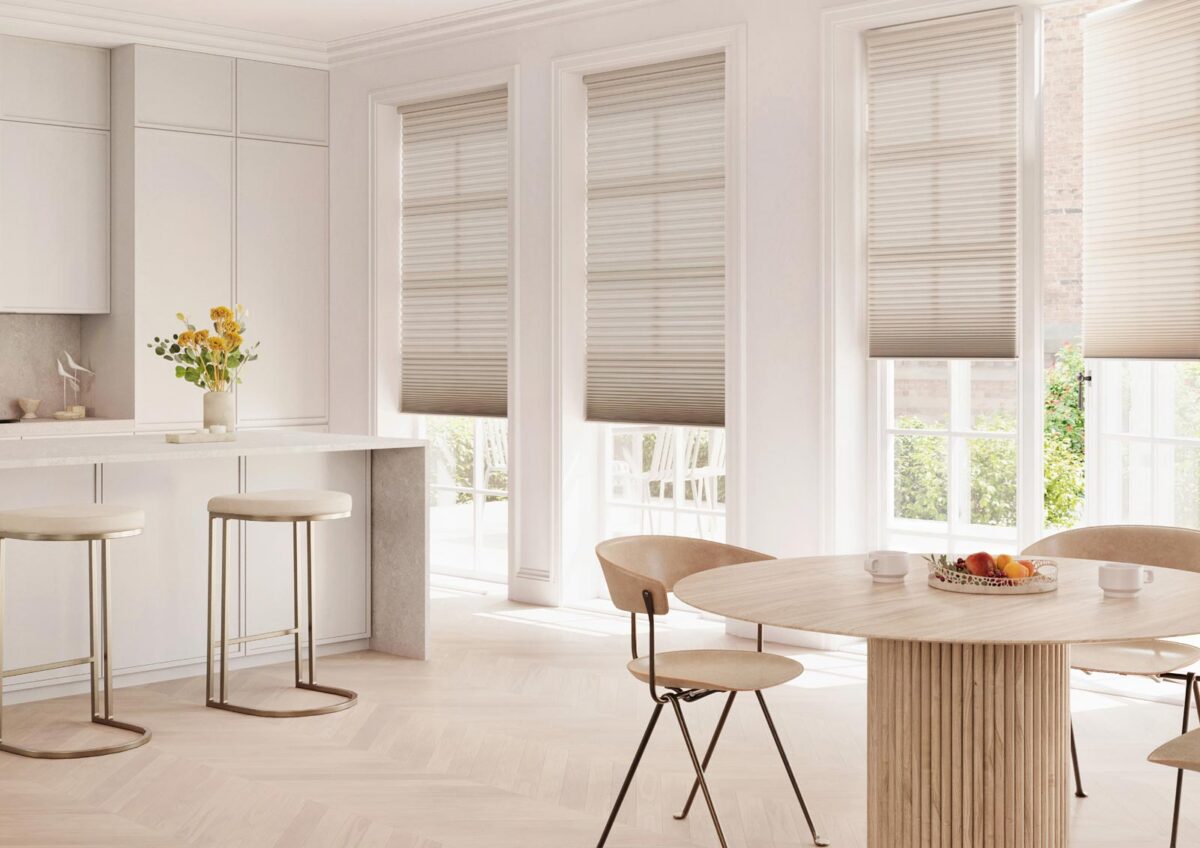
Cellular or honeycomb shades stand out as top performers. These treatments trap air within their pockets, creating a layer of insulation between your interior and the glass. In colder months, they help keep warmth inside, while in summer, they block out a significant portion of incoming solar radiation. Their soft fabric design fits most interior schemes, and they often come in blackout or light-filtering options, giving you control over privacy and sunlight.
Drapes and curtains offer strong performance for energy management as well. Medium-colored drapes, especially with white-plastic backing, can reflect some sunlight while still softening the look of a window. Selecting tightly-fitted drapes that overlap at the center maximizes the air-sealing effect, reducing gaps where hot or cold air could flow. Floor-length designs work best. If possible, choose hardware that holds the top of the curtains close to the wall, trapping a small pocket of air for extra insulation.
Exterior awnings can be an excellent way to protect south, east, or west-facing windows from high sun during summer. Awnings block direct sunlight before it reaches the glass, lowering the cooling load for your HVAC system inside. Fabric awnings come in a range of patterns and materials, with retractable options available to fit seasonal shifts. Lightweight metal awnings also offer durability with minimal maintenance.
Window films present a modern solution for solar control. Applied directly to the glass, films reflect a portion of the sun’s heat while still admitting visible light. These are especially useful if you want to maintain an unobstructed view outdoors without the bulk of traditional curtains or blinds. Films are available in a variety of tints and reflectivities, so you can fine-tune the balance between blocking heat and letting in natural light for a tailored result.
Blinds, especially those with wide slats, can be tilted to direct sunlight up toward ceilings, where it disperses without creating hot spots. This allows for daylighting while protecting privacy and comfort. While not as insulating as honeycomb shades, combining blinds with drapes boosts overall efficiency, especially on large windows or glass doors.
Maximizing Your Efficiency: Practical Tips & Seasonal Habits
Passive solar design rests on making the best use of natural heat and daylight to shift your home’s energy flows in your favor. Strategic use of window treatments lets you control these flows with little cost. By combining smart physical installations with mindful seasonal habits, you can significantly reduce reliance on artificial heating and cooling.
Smart Seasonal Habits
- Winter: Open window coverings during sunny hours to let warmth flow into your home, reducing the need to run the furnace during daylight hours. Once the sun sets or during cloudy stretches, close all window treatments—especially thick, layered curtains or cellular shades—to sharply reduce nighttime heat loss through the glass.
- Summer: Reverse the habit by keeping coverings closed during peak sunlight hours, especially on east and west-facing windows. This controls indoor temperatures naturally and lessens air conditioning demand.
Optimizing Your Setup
- Layer Your Treatments: Layering multiplies your insulating power. For example, pairing horizontal blinds with curtains allows for very fine control. Adjust the blinds to admit or block the sun, then close the curtains to reinforce the barrier against temperature swings. In rooms with large glass areas, combining window films with fabric coverings creates a powerful shield.
- Eliminate Gaps: Install curtain rods or tracks as close to the wall as possible. Reducing the gap between the fabric and the window blocks air movement, keeping conditioned air inside and drafts outside. For the best effect, choose floor-length designs and fasten drapes so they overlap tightly at the center.
- Consider Automation: If your daily routine or mobility makes manual adjustments difficult, consider automated shades. These can be programmed to raise or lower in response to sunlight, room temperature, or the time of day, optimizing your comfort automatically.
Damaged or heavily soiled shades cannot offer peak performance. Clean your window glass frequently to let winter sunlight pass through effectively, and regularly inspect curtain rods, mounting brackets, and moving parts for smooth operation.
Exterior solutions like awnings also benefit from seasonal care. Be sure to retract or remove fabric awnings before heavy winter weather arrives, clean them with a UV protectant if recommended by the manufacturer, and check the mechanical parts in the spring so they open smoothly as temperatures rise.
Practical Steps for Every Homeowner
Improving passive solar design does not require starting from scratch. Curtains, blinds, shades, and films come in options to fit both modern and older homes, making upgrades straightforward. Start by evaluating your windows’ exposure and the current treatments in use. In many cases, adding a new layer or updating old fabric makes a measurable impact on home comfort.
If windows remain bare or covered only by decorative treatments, upgrading to energy-focused options can shift heating and cooling loads in your favor. Look for honeycomb shades with high R-values or drapery liners with thermal backings. Switch out thin curtains for thicker materials in rooms with challenging sun exposures.
Consult with professionals if you have questions about applying window film or choosing the right combination of coverings for your setup. Many hardware or window treatment retailers offer measurement services and support with installation. You often see benefits within one heating or cooling season.
Beyond managing solar gain, effective window treatments create privacy and soften indoor acoustics. They also extend the lifespan of flooring, furniture, and artwork by blocking harsh ultraviolet rays. This makes window coverings one of the lowest-cost, highest-impact upgrades for any household focused on both savings and comfort over time.
Track energy usage before and after making changes to see the difference in action. Many smart thermostats allow you to review daily and weekly patterns for HVAC use. Homeowners frequently report steadier temperatures and quieter systems, as the HVAC unit does not have to work as hard counteracting heat loss or gain through glass.
Getting the Most from Passive Solar Comfort Year-Round
Passive solar design empowers you to use sunlight to your advantage. It contributes to reliable comfort and savings across every season. As you integrate new window coverings and adjust your habits based on window orientation, you lock in benefits without needing massive renovations or disruptions.
South-facing windows supply valuable winter warmth when managed with the right treatments. East and west windows require coverings that help block harsh sun and protect against rapid indoor heat spikes. North-facing windows benefit from insulation during cold snaps.
Select materials with care. Combine layers where needed for maximum temperature control, and update coverings as styles and technology improve. Maintenance, seasonal habit changes, and careful product selection maximize window covering efficiency. Passive solar design remains one of the most practical ways to reduce your home’s energy footprint and achieve lasting comfort.
For more advice on home comfort and mechanical upgrades, visit Livinon Mechanical for professional insight. By taking smart, straightforward steps, you support your HVAC system, cut energy waste, and give your home the comfort and savings it deserves.