
Why Chemical Drain Cleaners Cost You More Than They Save
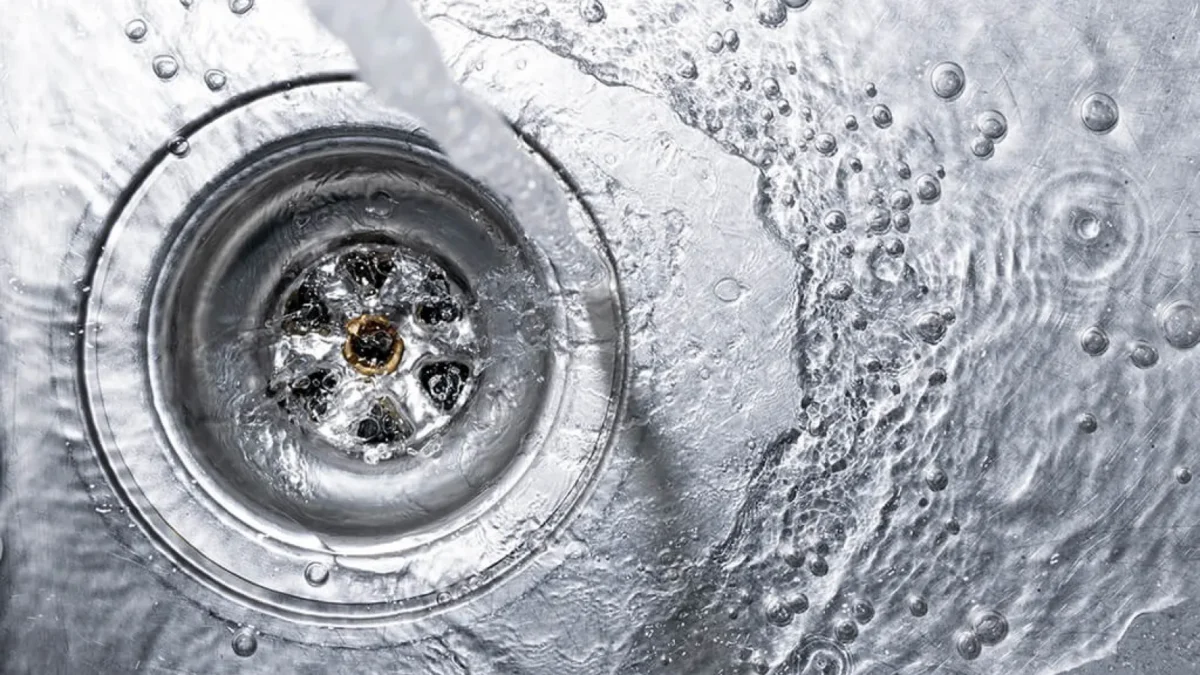
The sink backs up, you grab a bottle from the hardware store, pour it in, and twenty minutes later the water drains. Problem solved for $12. Except the clog comes back in six weeks, the bottle comes out again, and two years later a plumber is quoting a pipe repair that traces directly back to the routine. This post explains what chemical drain cleaners actually do inside your plumbing, why clogs return, what works instead, and the specific situations where a slow drain is the symptom of something bigger.
What’s actually in the bottle
Most liquid drain cleaners work through aggressive chemistry. Caustic formulas use sodium hydroxide, which generates heat as it reacts with the clog. Oxidizing formulas use bleach-based compounds that strip electrons from organic material. Acidic formulas, the harshest category, use sulfuric acid and are strong enough that many are restricted to professional sale.
All three share the same working principle: dissolve organic matter through a violent chemical reaction. The reaction does not know where the hair ends and the pipe begins.
What that chemistry does to your pipes
Heat stresses the pipe itself. Caustic cleaners generate significant heat, and when a clog only partially clears, the chemical sits in one spot and cooks. PVC softens and warps under sustained heat. Older metal pipe corrodes. The joint sealant and gaskets in your drain assembly were never designed to soak in hot lye.
Repeated use compounds the damage. One application on a healthy pipe rarely causes visible harm, which is exactly why the habit forms. The damage accumulates across applications, concentrated wherever clogs recur, which means the most chemically abused section of pipe is also the section already prone to problems.
Partial clearing is the usual outcome. The chemical burns a channel through the middle of the blockage, water flows again, and the bottle looks like a success. The grease, scale, and buildup coating the pipe walls stays put and starts catching debris immediately. This is why chemically treated drains re-clog on a schedule. You are renting a clear pipe, not buying one.
It makes the eventual service call worse. A drain that fails to clear after chemicals now holds standing caustic water. The plumber who cables that line is working through it, the chemicals splash back during cabling, and pipes weakened by chemical exposure tolerate mechanical cleaning poorly. Many shops charge more for lines with chemicals in them, for good reason.
Septic systems take a separate hit. Homes outside city sewer service depend on bacterial colonies to break down waste. Drain chemicals kill those colonies indiscriminately.
What actually clears a drain
For simple, close clogs: mechanical removal. A drain snake or hand auger physically pulls or breaks up the blockage. For hair clogs in bathroom sinks and tubs, a $5 plastic barbed strip pulled from the drain does more good than any bottle, with zero damage. A plunger, used correctly with the overflow blocked, resolves plenty of sink and tub clogs.
For recurring or deep clogs: professional cabling. A motorized drain machine runs a cutting head through the line, physically removing the blockage rather than burning a hole through it. This reaches clogs far past where any consumer tool goes, including the main line between your house and the street.
For grease-lined and scale-heavy pipes: hydro jetting. High-pressure water scours the full circumference of the pipe wall back to bare pipe. Where cabling opens a hole in a blockage, jetting restores the pipe’s original diameter. For kitchens with years of grease accumulation and main lines with heavy buildup, jetting is the difference between a clog fixed and a clog rescheduled. Both cabling and jetting are core parts of our drain cleaning service.
For diagnosis: camera inspection. A drain camera shows exactly what is happening in the line: grease, scale, a foreign object, a sag in the pipe, or roots. On any recurring clog, the camera turns guesswork into a diagnosis and keeps you from paying to clear the same line every few months.
When a clog is a symptom, not the problem
Some drainage patterns point past the drain itself, and no amount of clearing, chemical or mechanical, fixes them permanently.
Multiple fixtures backing up at once. When the toilet gurgles as the tub drains, or the lowest drain in the house backs up when the washing machine empties, the blockage is in the main sewer line, not a branch. Everything downstream of the problem is affected.
Clogs that return on a schedule. A kitchen line that clogs every few months has a buildup or structural problem. A main line that clogs seasonally often has root intrusion, since roots seek out the moisture at small pipe joints and grow back after every cutting.
Sewage odors or wet spots in the yard. These suggest a compromised sewer line leaking into the soil. Central Texas clay movement cracks and separates older sewer pipes the same way it stresses supply lines under slabs.
Older homes with original drain lines. Cast iron drains from mid-century construction corrode and flake internally, catching everything that flows past. Clay sewer lines have joints every few feet, and every joint is a root invitation.
Any of these deserve a camera inspection and an honest conversation about repair options, which falls under plumbing repair rather than another round of clearing. A full backup with sewage entering the home is an emergency, and 24/7 emergency service exists for exactly that call.
Preventing clogs in the first place
Keep grease out of the kitchen drain entirely. Pour it into a container, let it solidify, and trash it. Grease poured hot flows fine and congeals on pipe walls a few feet down the line. Run hot water for several seconds after using the disposal. Use hair catchers in tubs and showers, and empty them rather than pushing accumulation through. Flush nothing but waste and toilet paper, including wipes labeled flushable, which clear the toilet and then stack up in the line. For homes with mature trees over the sewer line, a periodic camera check catches root intrusion while it is still a maintenance item instead of an excavation.
An occasional enzyme-based treatment is the one bottle worth owning. Enzyme cleaners use bacteria to slowly digest organic buildup, work over days rather than minutes, and cause no pipe damage. They maintain a clear line. They do not clear a blocked one.
FAQs
Is baking soda and vinegar a safe alternative? Safe, yes. Effective, mostly no. The fizzing reaction neutralizes itself almost immediately and lacks the force to move a real blockage. It can freshen a slow, smelly drain. Pair it with mechanical removal for actual clogs.
Are enzyme drain cleaners worth using? As prevention, yes. Monthly enzyme treatment keeps organic buildup from accumulating in kitchen and bathroom lines. As a fix for an existing clog, no.
How often should main sewer lines be cleaned? There is no fixed schedule for a healthy line. Homes with a history of root intrusion typically benefit from annual or semi-annual cabling, and a camera inspection tells you which category your line falls in.
What does professional drain cleaning cost compared to the bottles? A professional clearing costs more than a bottle and less than the pattern the bottles create: repeat purchases, returning clogs, and eventually pipe repair accelerated by chemical damage. Clearing the whole blockage once beats burning holes through it repeatedly.
Clear it once, correctly
If a drain in your home has become a repeat customer, the fix is finding out why. Livinon Mechanical clears drains mechanically, inspects with cameras when the pattern calls for it, and tells you plainly whether you have a clog or a pipe problem. Free estimates, straight answers, 24/7 availability. Call (737) 308-0506.